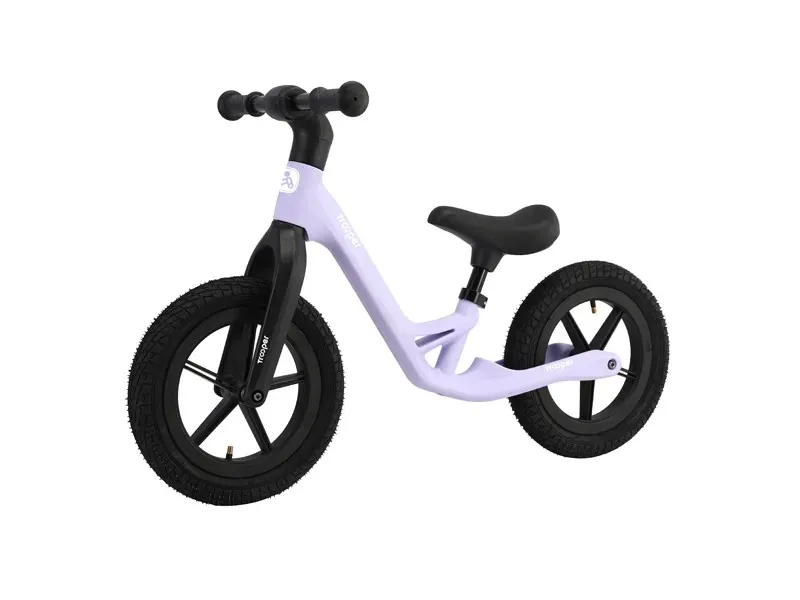
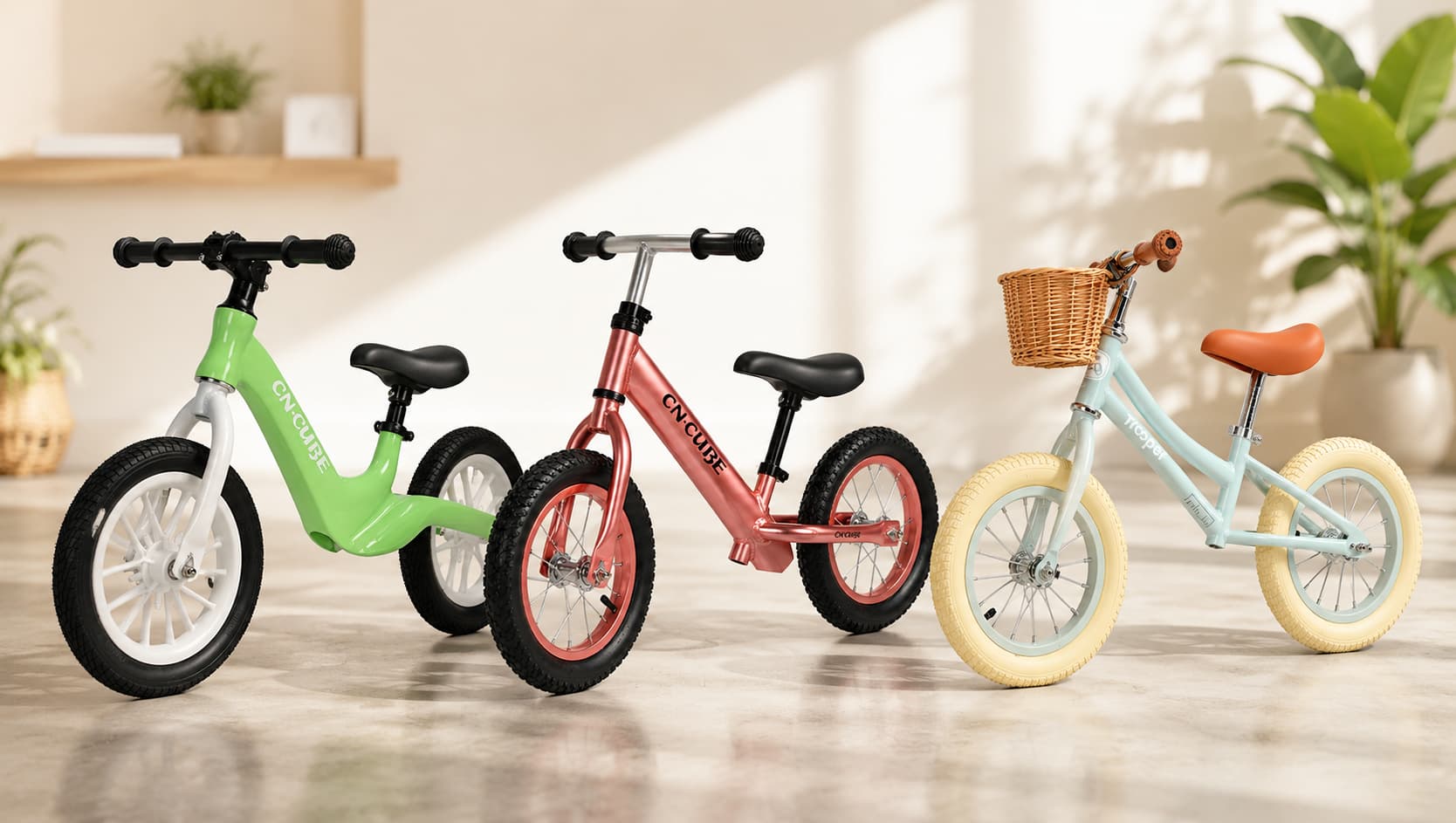
A balance bike with brakes is not automatically safer or better for every child. For very young beginners, being able to place both feet firmly on the ground and control the bike comfortably is usually more important than having a hand brake. As children become more confident, ride faster or begin preparing for a pedal bike, a properly sized hand brake can add another stopping method and help them learn brake-lever control. The key is whether the rider can actually reach, squeeze and use the brake correctly. Bike fit, rider coordination, terrain, tire type and brake adjustment all matter. For parents, retailers and OEM buyers, the best choice is therefore not simply “brake or no brake,” but which configuration matches the rider stage and intended use.
Balance Bike With Brakes vs Without Brakes: What Changes?
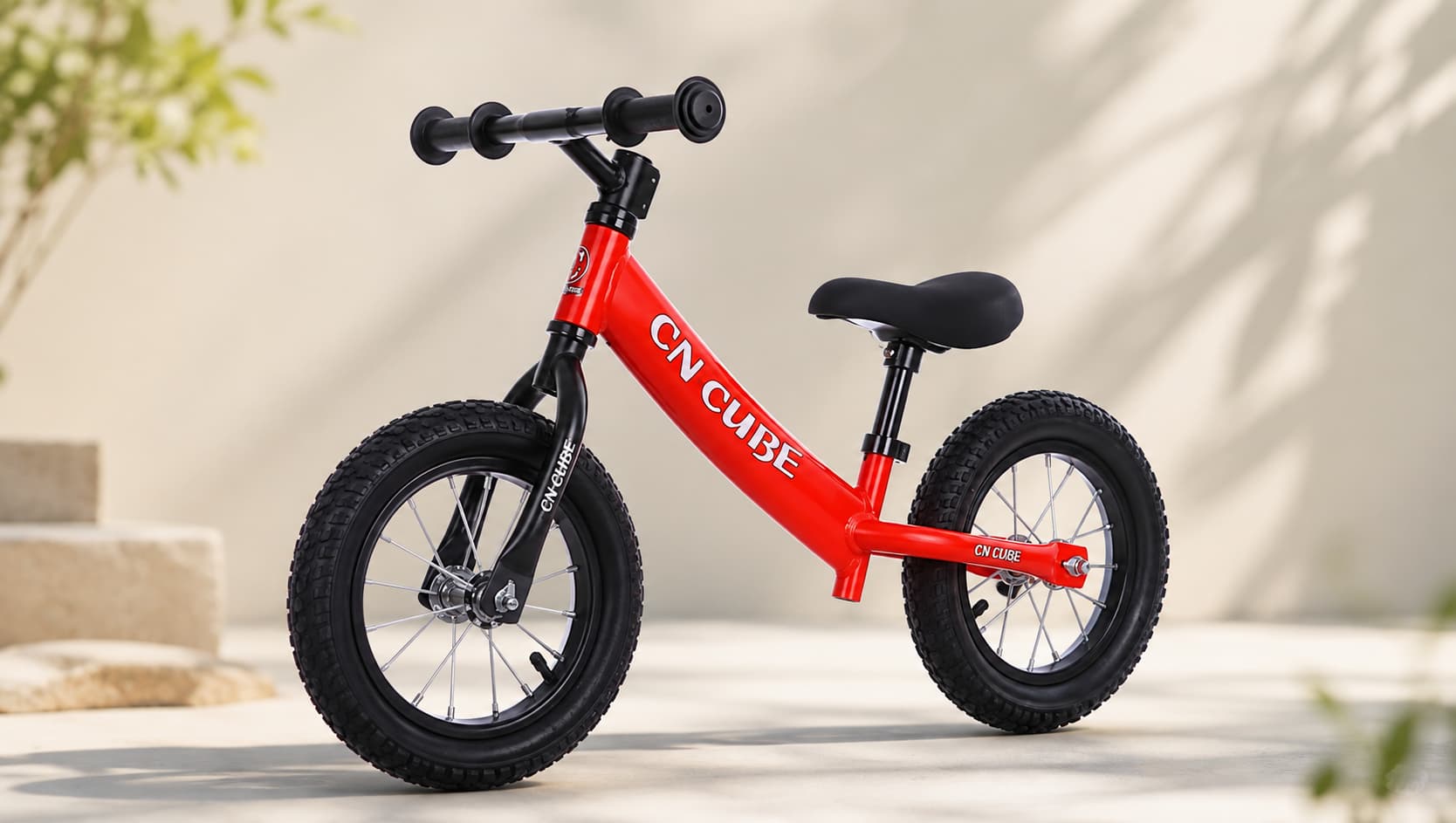
A conventional balance bike has no pedals. The rider pushes against the ground, lifts the feet to glide and can slow down by returning the feet to the ground. Laobo describes the balance bike as a product designed to develop balancing, steering and stopping skills before moving to a conventional pedal bicycle. A balance bike with brakes adds a brake lever and braking mechanism so that the child can also reduce speed using the hands. Laobo currently offers brake-equipped models including the 1203L Brake Style Aluminum Balance Bike and the 1211 Carbon Steel Balance Bike, the latter of which is specified with a front brake.
A bike without a hand brake has fewer components and keeps the riding process simple. This can suit a beginner whose main task is learning to walk, glide, steer and stop with the feet. A brake-equipped bike becomes more useful when the rider is comfortable gliding and has developed enough hand strength and coordination to operate the lever without losing steering control.
The difference can be summarized simply:
Without hand brake: simpler controls and greater reliance on foot stopping.
With hand brake: introduces another controlled stopping method and prepares the rider for brake operation on a future pedal bike.
Neither option is universally better: rider ability and bike fit determine whether the brake is genuinely useful.
Age, Hand Size and Rider Readiness Matter More Than a Number
There is no single birthday at which every child suddenly needs a hand brake. Children of the same age can have very different hand size, grip strength, confidence and riding ability. A brake lever provides little practical value if the child cannot comfortably reach it while maintaining a secure grip on the handlebar.
The American Academy of Pediatrics advises that when selecting a bicycle with hand brakes for an older child, the child should be able to comfortably grasp the brake and apply enough pressure to stop the bike. Its bike-fitting guidance also emphasizes that a child should be able to reach the ground appropriately while seated.
For a balance bike, check these points before deciding:
Foot contact: The rider should be able to put both feet securely on the ground. This remains fundamental because the feet are used for propulsion, balance correction and often stopping.
Brake-lever reach: The child should be able to wrap the fingers around the lever without releasing control of the handlebar.
Grip force: Pulling the lever should produce useful braking without requiring excessive hand force.
Coordination: The rider should understand that squeezing the lever slows the bike and should be able to do so while continuing to steer.
Riding stage: A child who is only beginning to walk on the bike has different needs from one who is confidently gliding for several meters.
For this reason, OEM buyers should avoid marketing a particular brake configuration solely with a rigid age claim unless that age range is supported by the product design, testing and applicable market requirements.
When Does a Hand Brake Become Useful?
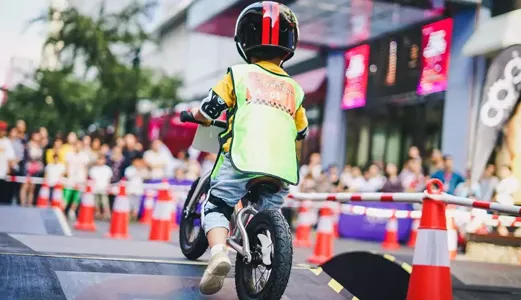
A hand brake becomes more valuable as riding speed, confidence or terrain complexity increases. On a flat indoor surface or short beginner practice area, a young child may rarely need more than foot stopping. On longer paths or gentle outdoor slopes, controlled braking can become more useful because repeatedly dragging the feet is less efficient and can wear footwear. A brake also introduces a skill that children will eventually need on many pedal bicycles. This does not mean that parents should rush the process. Brake operation should be introduced only when the rider can use the lever deliberately and consistently.
The standard 1203L Aluminum Balance Bike provides an example of a lightweight conventional configuration, while Laobo separately offers a brake-style version of the same model family. The standard 1203L is listed at approximately 2.9 kg net weight and includes adjustable handlebars and saddle height.
This comparison illustrates an important purchasing point: adding a brake is only one specification change. Buyers should also compare:
Brake performance should also be checked during assembly and routine inspection. A poorly adjusted brake that creates excessive lever travel or inconsistent stopping is not an advantage simply because the product is described as having a brake.
How to Choose a Balance Bike for Retail or OEM Programs
For B2B buyers, the decision should start with the intended customer group rather than adding features simply to increase the specification list. Laobo’s broader balance bike range includes aluminum, carbon-steel, magnesium, nylon and balance-to-pedal configurations, making it possible to build different product tiers around rider stage, weight, materials and features. A simple entry-level product may benefit from low weight, easy saddle adjustment and straightforward controls. A model positioned for more experienced balance-bike riders can justify a child-sized hand brake, pneumatic tires or other upgraded components.
Balance Bike Selection Table
| Rider / Market | Suggested Configuration | Brake Priority | What to Check |
|---|
| First-time young rider | Lightweight balance bike | Optional | Low saddle height, weight and easy ground contact |
| Beginner on flat surfaces | Standard no-hand-brake model | Low | Stable geometry and comfortable grips |
| Confident gliding rider | Balance bike with hand brake | Medium to high | Lever reach, grip force and brake adjustment |
| Rider using gentle slopes | Brake-equipped model | Higher | Predictable braking and tire traction |
| Preparing for pedal bike | Hand-brake model | Useful | Brake coordination and overall fit |
| Retail / OEM premium range | Brake-equipped aluminum or steel model | Product-dependent | Weight, tire type, lever quality and test documentation |
Before mass production, importers should request an assembled sample and evaluate the brake with children in the intended size range under appropriately supervised conditions. Check whether the lever is genuinely usable rather than simply present. For international sales, buyers should also confirm which safety standard applies to the exact product. ISO 8098:2023 covers safety and performance requirements for certain bicycles for young children, but its published scope applies to bicycles propelled through a transmitted drive to the rear wheel. A pedal-less balance bike may therefore fall under different product or toy requirements depending on design and destination market; compliance should be confirmed rather than assumed from the word “bicycle.” Regardless of brake configuration, children should wear an appropriate bicycle helmet. The U.S. Consumer Product Safety Commission states that bicycle helmets covered by its regulation must meet performance requirements intended to protect against head injuries from falls or crashes.
FAQ
Does a balance bike need brakes?
Not necessarily. A properly sized balance bike can be used without a hand brake because the rider can slow down using the feet. A hand brake becomes more useful when the child has the coordination and hand strength to operate it correctly.
Is a balance bike with brakes safer?
A brake can provide an additional method of slowing down, but its presence alone does not make a bike safer. Correct sizing, brake adjustment, rider ability, helmet use, supervision and riding environment remain important.
What age should a child use a balance bike with a brake?
Age alone is not a reliable criterion. Check whether the child can reach the brake lever comfortably, squeeze it with adequate force and continue steering while braking. The American Academy of Pediatrics similarly emphasizes comfortable brake reach and sufficient hand pressure when children use hand brakes.
Is a balance bike without brakes good for beginners?
It can be. A simple configuration allows beginners to focus on walking, balancing, steering and gliding. Both feet should be able to contact the ground comfortably.
Does a brake help children move to a pedal bike?
It can help familiarize a child with using a brake lever before transitioning to a bicycle that relies more heavily on hand braking. However, balance, steering and confident stopping should develop together rather than treating brake use as the only transition skill.
What should OEM buyers specify for a brake-equipped balance bike?
Specify wheel size, frame material, saddle-height range, handlebar dimensions, brake position and type, lever reach, cable routing, tire type, complete-bike weight, packaging configuration and required market compliance. Test a finished sample before approving bulk production.
References
American Academy of Pediatrics — How to Choose the Right Size Bike & Helmet
U.S. Consumer Product Safety Commission — Bicycle Helmets Business Guidance
International Organization for Standardization — ISO 8098:2023, Safety Requirements for Bicycles for Young Children

 English
 Español
 русский