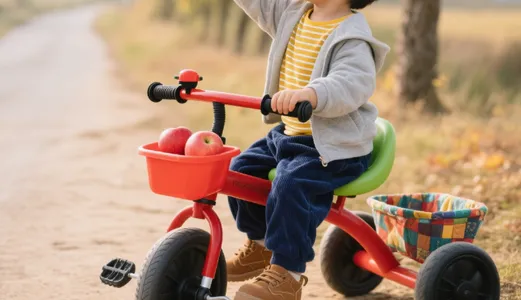
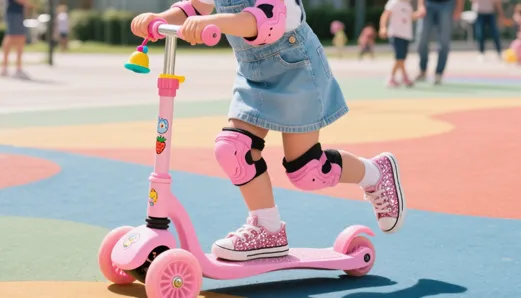
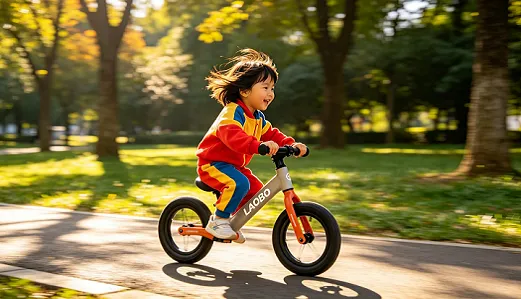
If you are wondering when a child should move from a balance bike to a pedal bike, the most useful answer is this: not when they reach a certain birthday, but when they are physically and mentally ready to handle the next step. Bike-learning guidance aimed at parents consistently emphasizes balance first, proper fit, feet comfortably on the ground, and control before pushing a child into the next stage. That is why readiness usually matters more than age alone.
A child is usually ready to move on when balance is no longer the hard part. If they can glide confidently, steer while moving, slow down and stop with control, and stay relaxed on the bike, then pedals often become the next skill to add. Some bike-learning guidance even describes the transition as building momentum by striding, gliding, then finding the pedals and pedaling away.
That is why the better question is not “How old should the child be?” but “Can the child already do the things that make the pedal stage easier?” When that foundation is there, the move to a pedal bike often feels much smoother and much less stressful.
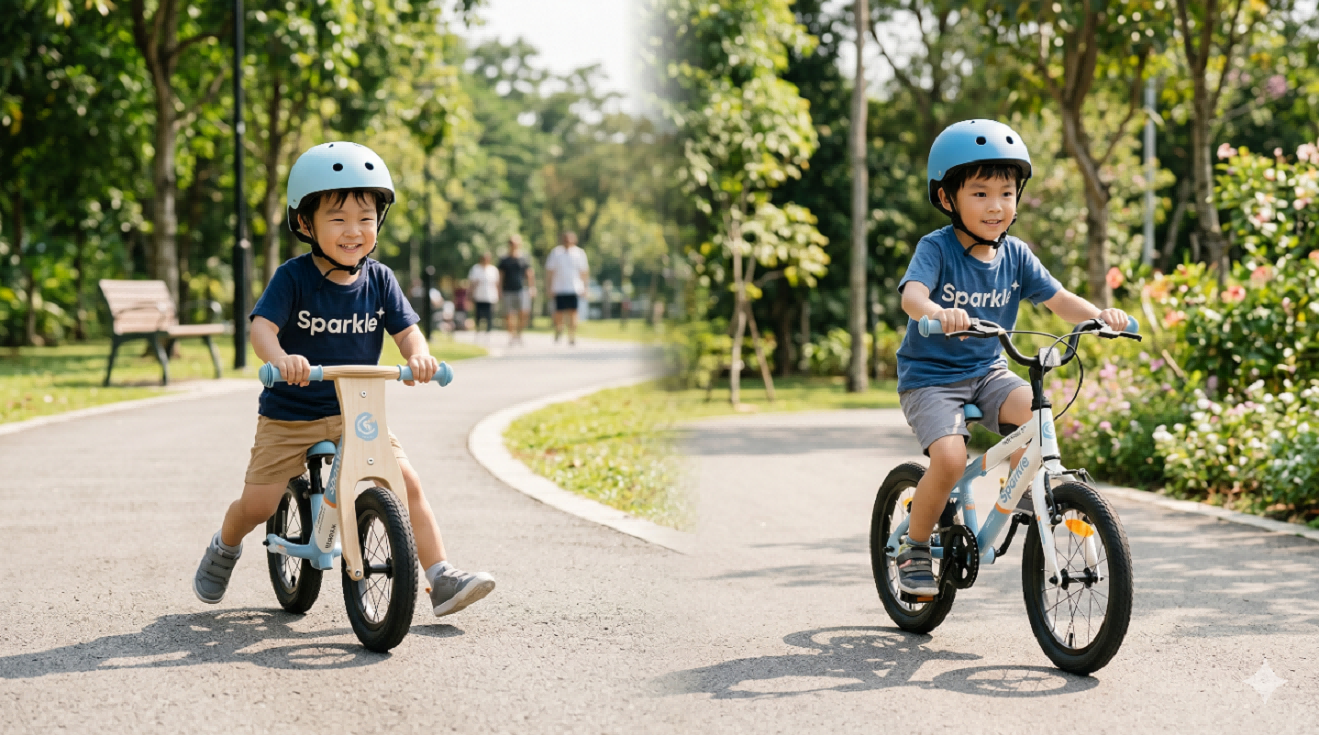
The Short Answer
When to move from balance bike to pedal bike:
the child can glide with both feet off the ground
the child can steer confidently while moving
the child can slow down and stop without panic
the child looks comfortable and relaxed, not tense or hesitant
the next bike fits properly, with feet able to reach the ground and controls within reach
Cycling guidance for teaching children to ride repeatedly starts with balance, low saddle height, feet flat on the ground, and learning to use the brakes before moving on. In other words, the right time to switch is when the child has outgrown the balance challenge, not when adults simply feel it is “time for pedals.”
Why Readiness Matters More Than Age
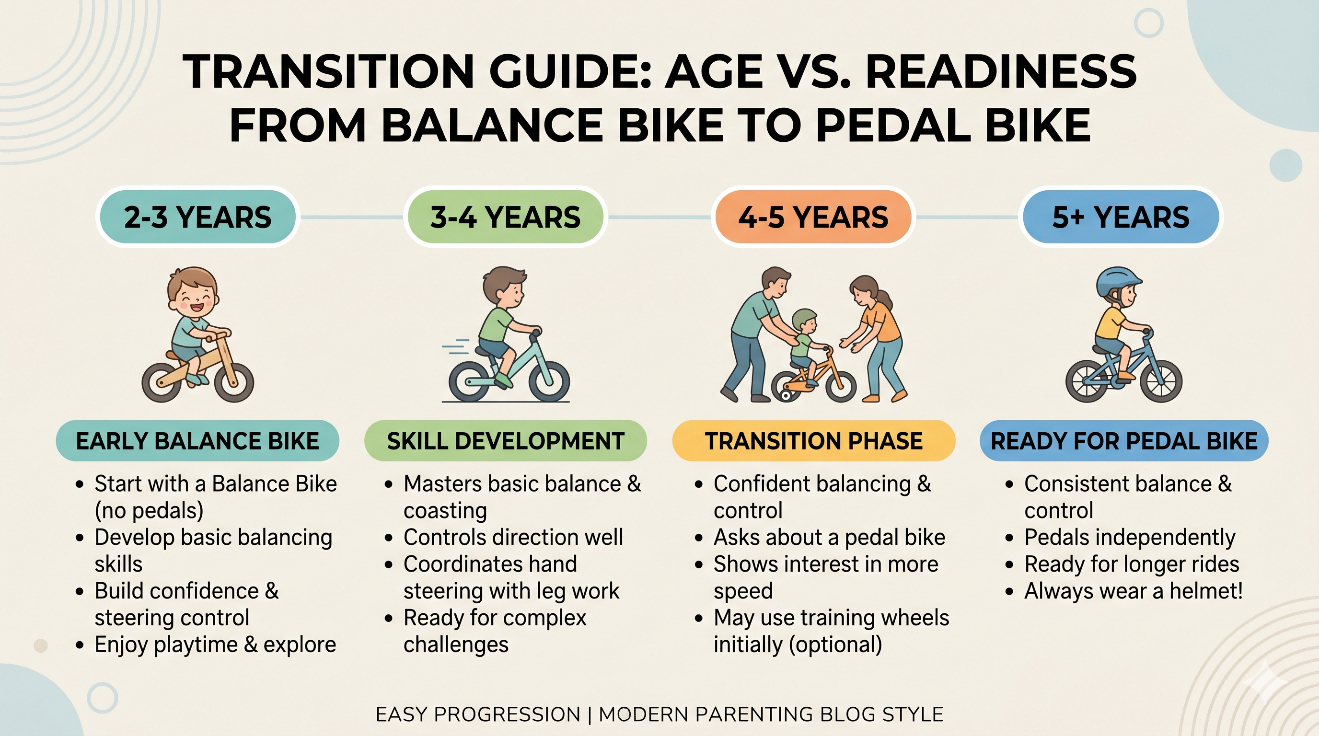
There is no single perfect age for a child to move from a balance bike to a pedal bike. Some children build balance, coordination, and confidence quickly, while others need more time to feel comfortable. That is why age should be used as a general reference, not the only decision factor.
A child is usually more ready for the next step when they can glide with both feet off the ground, steer smoothly, slow down, stop safely, and stay relaxed while riding. Proper fit also matters. The next bike should allow the child to sit comfortably, reach the controls, and put their feet on the ground when needed. If the bike is too large or difficult to control, the balance to pedal bike transition may feel stressful instead of exciting.
For brands, retailers, and importers, sourcing the right balance-to-pedal bike can create stronger product value and clearer market positioning. A well-designed model that supports riding readiness, proper fit, and beginner control helps parents feel more confident in their purchase, while helping sellers reduce customer hesitation, improve product-page conversion, and build a more complete kids riding product line.
Signs a Child Is Ready for a Pedal Bike
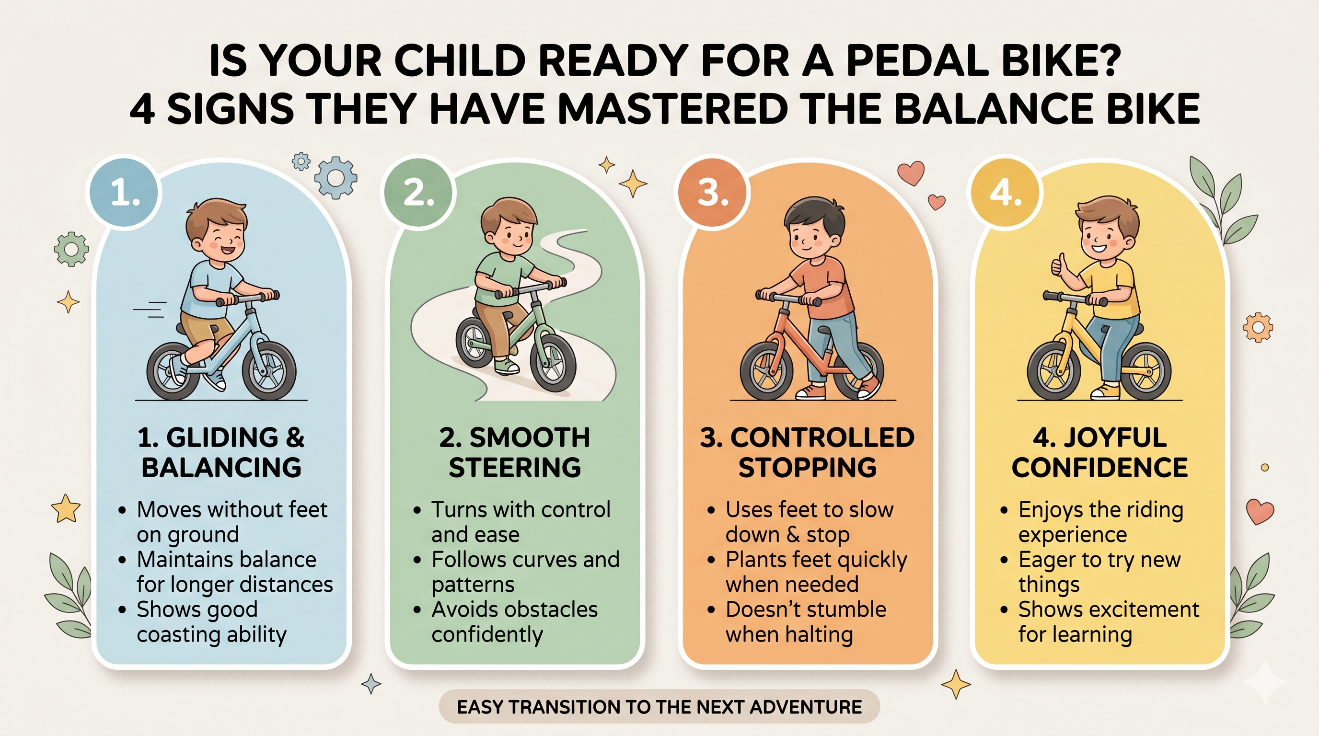
One of the clearest signs is gliding with feet up. When a child can push off, lift both feet, and stay balanced without rushing to catch themselves, that usually shows they are no longer relying on constant ground contact for security. Bike-learning guidance from instructors and balance-bike programs treats this glide phase as a major step toward pedaling.
Another strong sign is confident steering. The child should be able to look ahead, change direction smoothly, and stay centered over the bike while moving. Guidance on teaching children to ride also emphasizes learning control and looking ahead rather than fixating on the ground or the handlebars.
A third sign is controlled stopping. Before moving on, the child should already understand how to slow down, put their feet down safely, or use the brakes if the bike has them. Cycling UK’s stabiliser-removal guidance specifically calls out learning the brakes as a key step before moving forward.
A fourth sign is simply confidence. If the child looks tense, freezes easily, or avoids speed altogether, they may still need more time on the balance bike. If they look playful, comfortable, and eager to go farther or faster, the next step may be close. That is partly an inference, but it is consistent with the balance-first teaching approach used in cycling instruction.
How to Make the Transition Easier
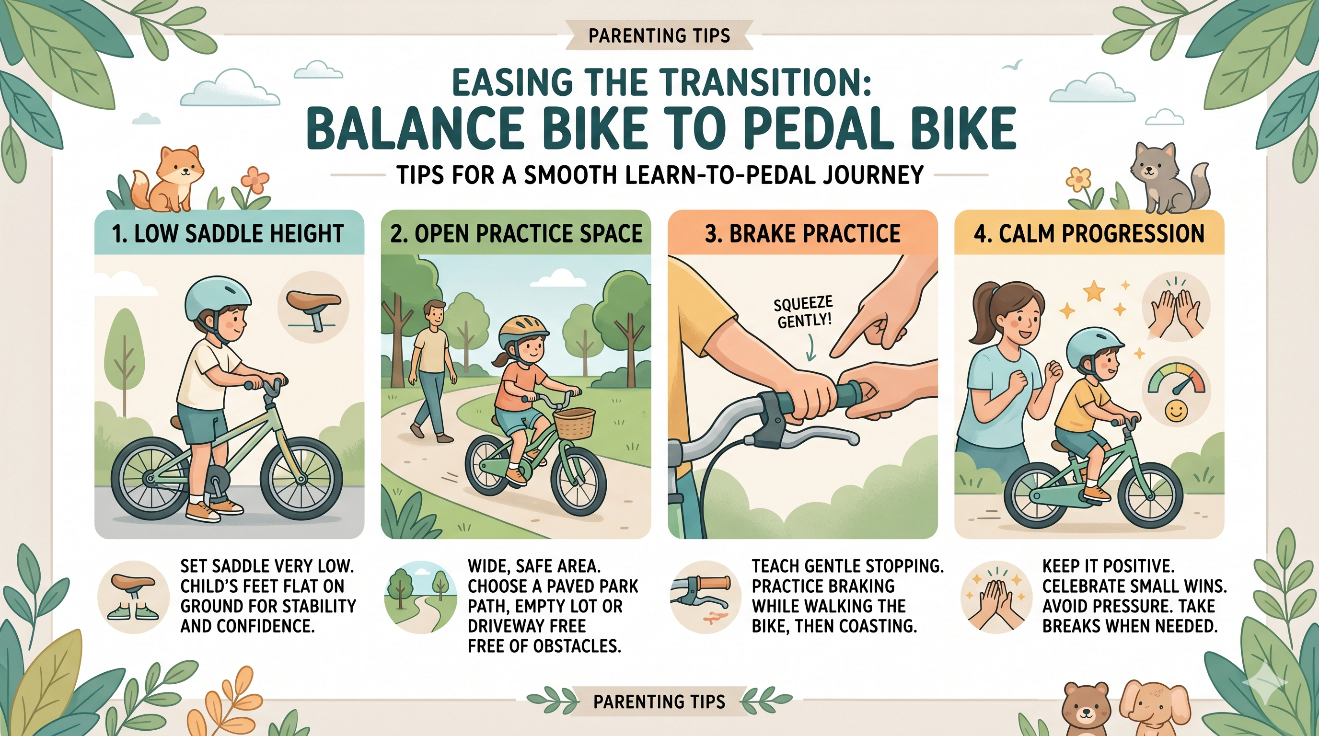
The easiest transition usually happens when the next bike still feels manageable. Teaching guidance recommends starting with a low enough saddle that the child can keep their feet flat on the ground, and making sure they can reach the brake levers comfortably. That setup helps the new pedal bike feel less intimidating.
It also helps to keep the first rides simple. Quiet pavement, open space, and short practice sessions usually work better than busy areas or long explanations. Cycling instruction for children often starts with scooting, brake control, and feeling stable on the bike before expecting full pedaling right away. In fact, some guidance suggests removing pedals and stabilisers at first so the child can stay focused on balance if needed.
For many children, the transition feels easiest when adults do not rush it. If the child already trusts the bike, understands stopping, and feels steady gliding, pedals become one more skill instead of a whole new world. That usually leads to a calmer and more natural learning experience. This is an inference, but it is directly supported by the balance-first progression described in cycling instruction.
Common Transition Mistakes Parents and Buyers Make
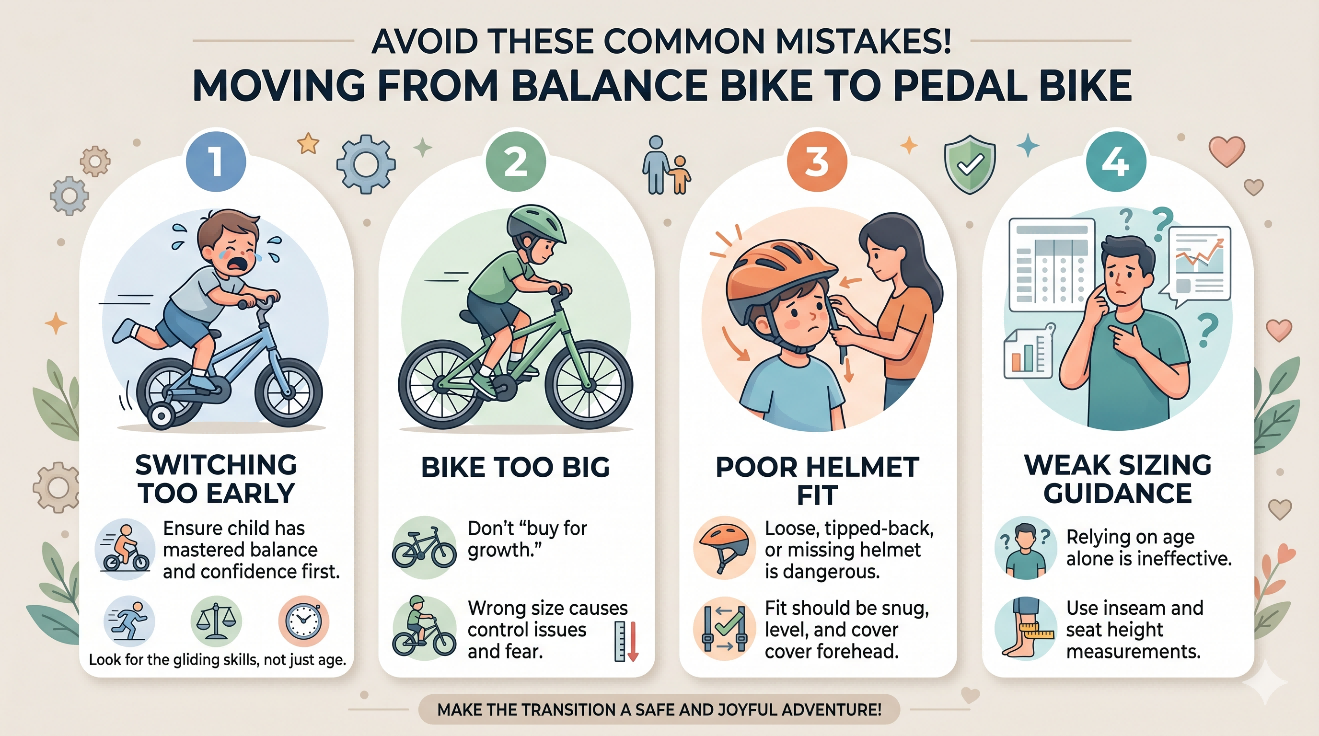
One common mistake is switching too early just because the child seems “old enough.” If the child still struggles with gliding or stopping, the pedal stage may feel harder than it should. Balance-first riding guidance suggests that the easier path is usually to build control first, then add pedals.
Another mistake is choosing a bike that is too big. Pediatric and parent-facing bike guidance both warn against buying a larger bike for a child to grow into. If the bike is too tall or the controls feel out of reach, confidence usually drops fast.
A third mistake is ignoring safety basics. The American Academy of Pediatrics says a child should wear a properly fitted helmet on every ride, and helmet fit guidance emphasizes that the helmet should sit level, cover the forehead, and not tip back.
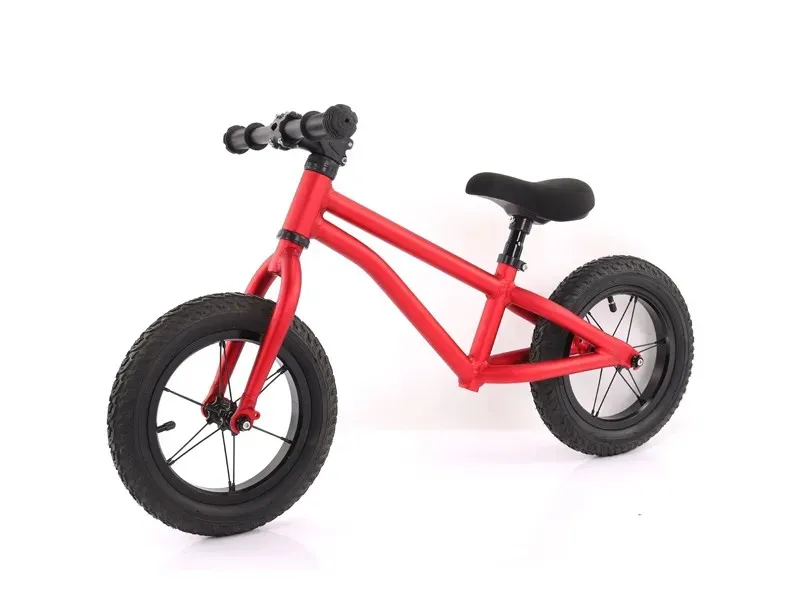
For brands, retailers, and importers, a lightweight magnesium balance bike offers clear advantages in product differentiation, riding experience, and market positioning. The lighter frame makes the bike easier for young children to handle, helping them build control and confidence more naturally. Magnesium construction also gives the product a modern, high-quality look, making it more appealing to parents who want a smoother transition from balance bikes to pedal bikes and a strong option for mid-to-premium product lines.
What Importers, Retailers, and Brands Should Pay Attention To
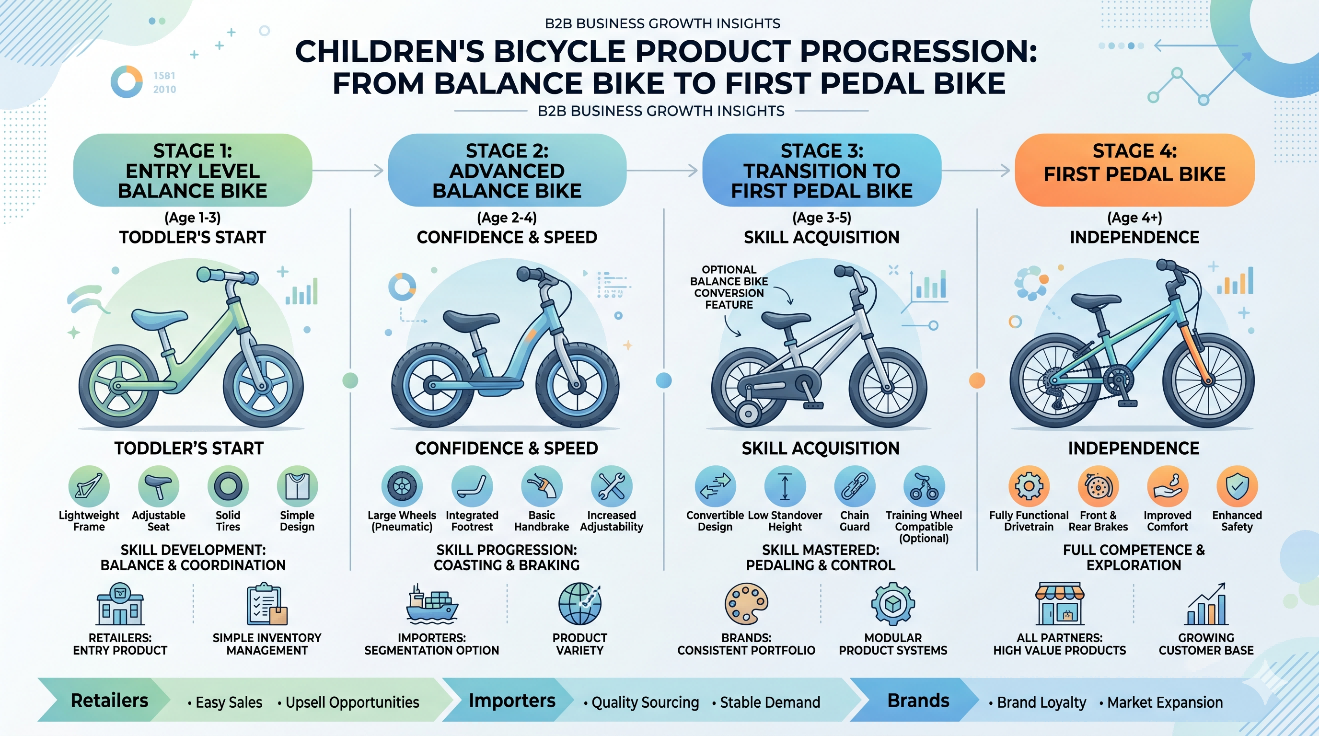
For B2B buyers, choosing the right product is not just about age range. It is about whether the bike matches a child’s real riding stage and supports a smooth transition from balance bike to pedal bike. Key factors to consider include:
Riding Stage
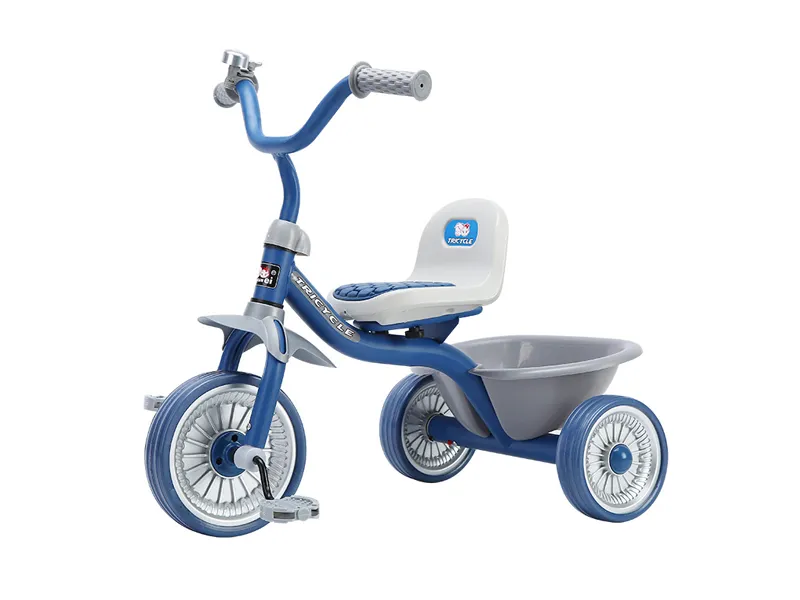
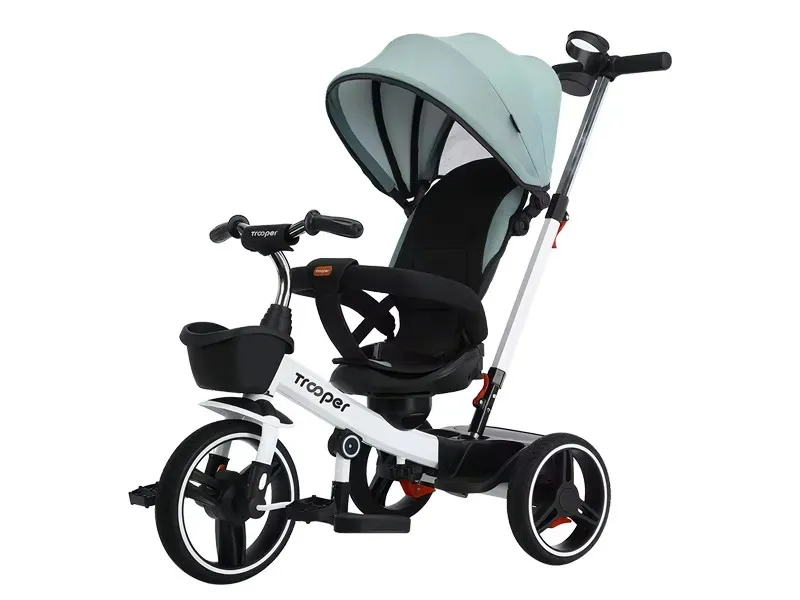
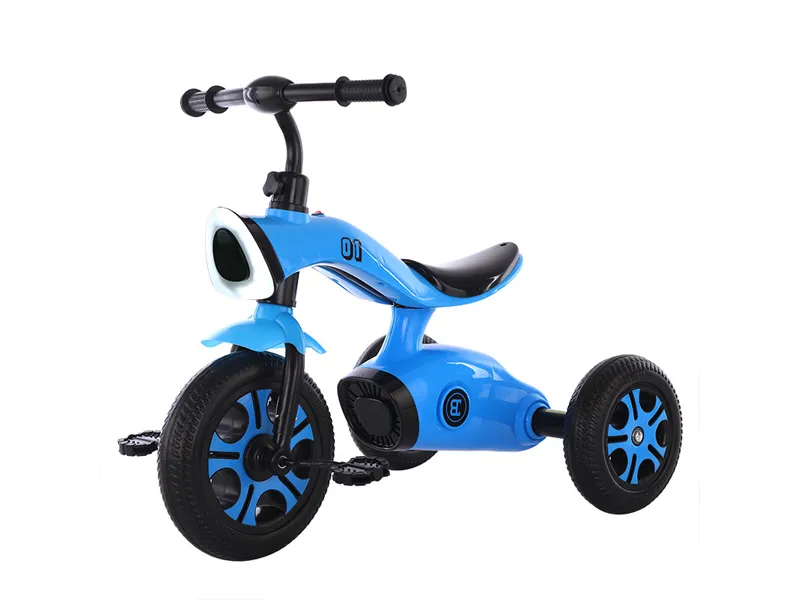
A balance bike should support gliding, steering, stopping, and confidence. A balance-to-pedal bike or first pedal bike should help children add pedaling without losing the control they have already developed.
Size and Weight
The bike should be easy to handle, with proper seat height, comfortable reach, and a lightweight frame. An alloy balance bike can offer easier handling for young riders, while a bike that is too heavy or too large can reduce confidence quickly.
Material and Positioning
Material choice affects weight, durability, appearance, and price positioning. A lightweight magnesium balance bike can support mid-to-premium product lines, while a nylon bike can give brands and retailers another lightweight, durable option for beginner riding products.
Product-Line Strategy
The best product choice should support parent confidence, clear retail positioning, and long-term category growth.
As one of the trusted ride on toys manufacturers, Sparkle Rides supports B2B customers with OEM/ODM balance bikes, scooters, tricycles, and ride-on cars. With 10+ years of industry experience, flexible customization, mature supply chain support, and strict quality control, Sparkle Rides helps brands, retailers, and importers develop safer, more market-ready kids riding products. Contact Sparkle Rides today to discuss your target market, product materials, colors, packaging, and customization needs.
Final Thoughts
So, when should a child move from a balance bike to a pedal bike?
The best answer is: when balance, steering, and stopping already feel natural enough that pedals become the next small step, not the next big struggle. Teaching guidance for children consistently supports this balance-first approach.
There is no single magic age. Some children are ready sooner, some later. What matters more is whether they can glide confidently, control direction, stop safely, and fit the next bike properly. Guidance for parents also stresses choosing a bike that fits well and allows secure foot contact rather than buying oversized bikes for later.
For parents, that means watching the child’s riding behavior more closely than the birthday. For importers, retailers, and brands, it means explaining the transition in a clearer and more practical way. Better transition content does more than answer a question. It helps buyers trust the category and choose more confidently. This commercial conclusion is an inference from the structure of the riding and fit guidance above.
Need help choosing the right balance bike and beginner pedal bike range for your market? Contact us for model recommendations, OEM options, and product details.
Also See
Catalog Of Kids Balance Bike
What Age Should a Child Start Using a Balance Bike?
Children's Balance Bikes: A Comprehensive Guide from Scientific Selection to Growth Value

 English
 Español
 русский