Overview of Kids' Ride-Ons
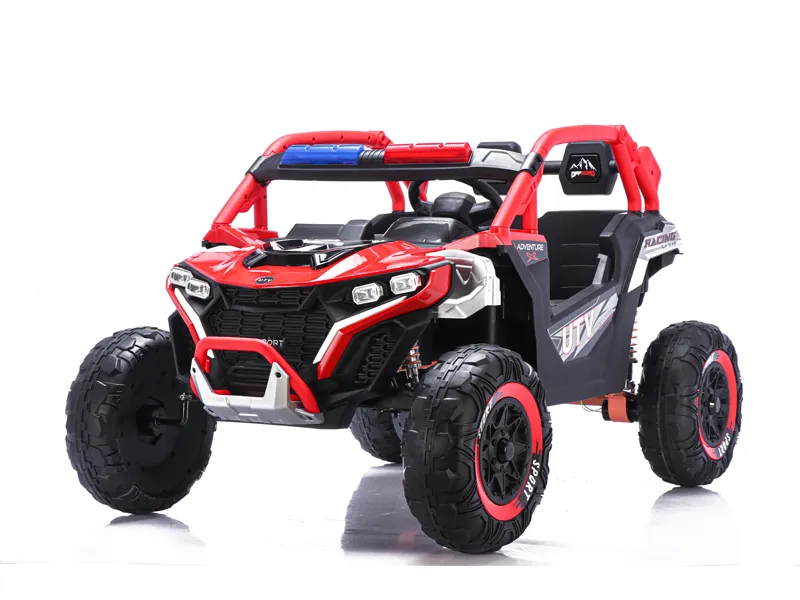
As kids' ride ons, ride-ons primarily need to attract children's attention. They should feature bright colors, rich sounds, and easy operation. Ride ons are generally divided into electric cars, electric motorcycles, electric construction vehicles, and remote control ride ons:
Electric Cars: Most come with remote controllers and adopt a surrounding seat design, which makes it less likely for children to fall off the car.
Electric Motorcycles: Generally do not come with remote controllers. Compared to electric cars, they are cheaper due to fewer materials used.
Electric Construction Vehicles: Besides the basic forward and reverse functions of an electric car, they also have various functions of construction vehicles. They can generally attach trailers, helping to comprehensively improve children's operational skills.
Remote Control Ride ons: These are model cars that can be remotely controlled via a radio controller. Depending on the shape of the car body, they can be divided into remote control toy cars, regular private cars, off-road vehicles, container trucks, dump trucks, etc.
Considerations for Purchasing Children's Electric Ride ons
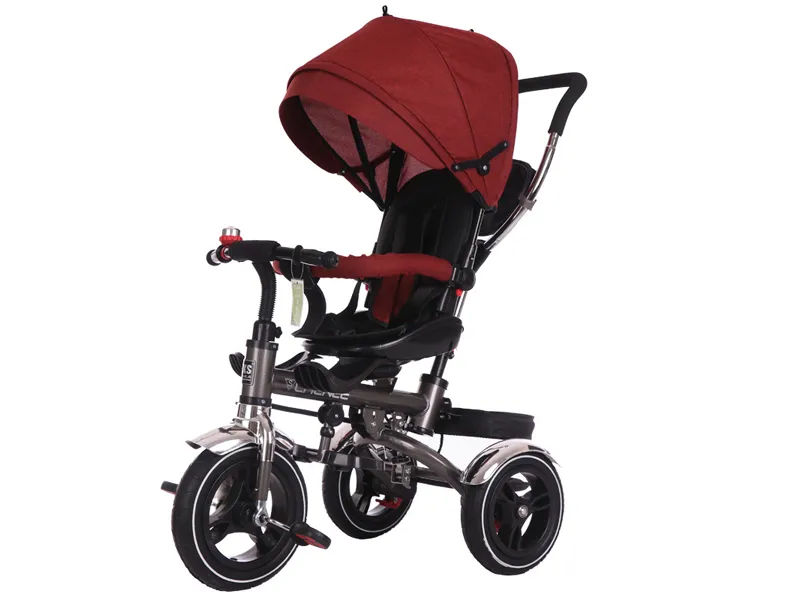
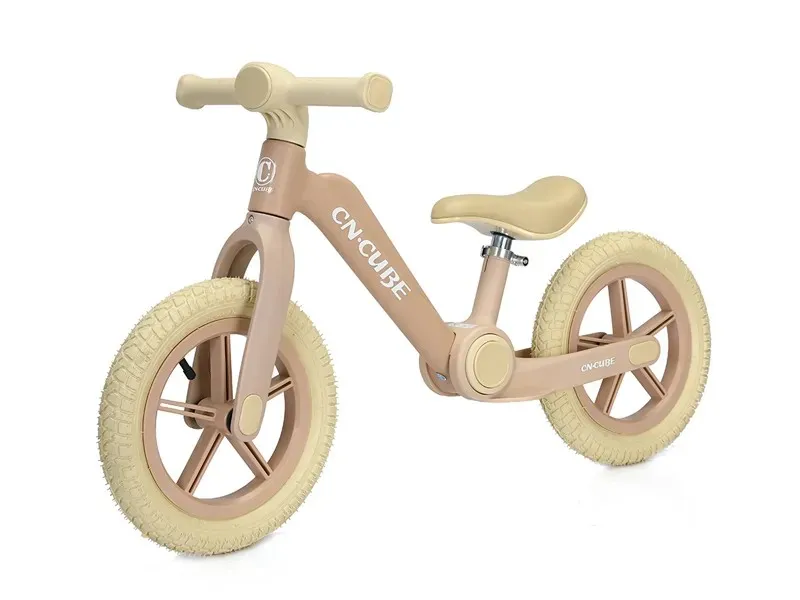
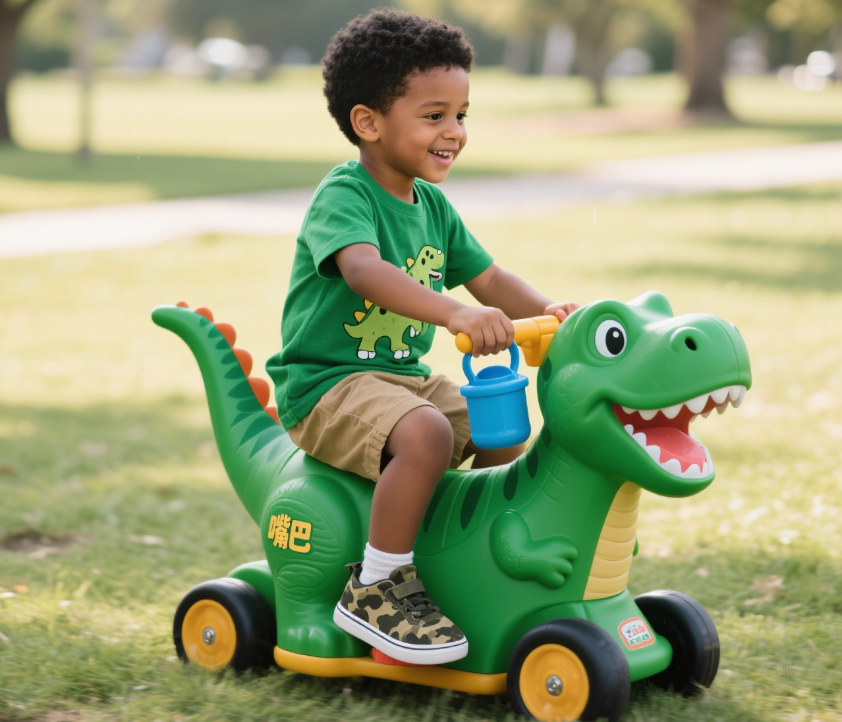
Electric ride ons are tools for children to play with and come in various models. Generally, children aged 1 to 2 years play with baby strollers, and those over 2 years play with wheeled ride ons. Ride ons benefit children's intellectual development and promote brain growth. However, the following points should be noted when purchasing electric ride ons:
If the baby is still young, choose a vehicle with a safety belt to ensure the baby's safety while riding.
Pay attention to whether the plastic material is environmentally friendly and whether the thickness is strong enough to prevent cracking and injuring the baby.
Luxurious appearance is not the main consideration. It is necessary to comprehensively consider the rationality of the design structure, such as whether the wheels are easy to fall off, whether there is a dedicated safety charging port, and the baby's seating comfort (distance and height of the seat). Try to let the baby test the car.
Carefully read the manual before use. Different vehicles have different rated load, applicable age range, assembly requirements, and maintenance methods to avoid injury to children due to improper selection or use.
Pay attention to the performance of the rechargeable battery. A good electric car differs largely from a regular one in terms of battery capacity and durability, similar to adult electric cars.
Considerations for Purchasing Children's Remote Control Ride ons
Turn on the remote control car's switch and observe whether the speed of the ride ons’ wheels is even when rotating and if there are any sudden reversals or stops.
If everything seems normal, hold the toy with your left hand and press the sound button with your right hand to see if the wheels of the toy car suddenly change direction. Check the responsiveness of operation.
Check the toy's anti-interference ability. Place the toy about 1 meter away and gently whistle or speak, observing if the toy reacts erroneously.
Remote control cars have multiple control actions. When selecting, check each action's responsiveness one by one. Especially, extend the transmitter antenna to its full length initially, ensure everything is working correctly, and then gradually shorten the antenna while observing if there is a reduction in control range. Typically, if the antenna is shortened by half its length and the control range is reduced by a third, it is acceptable.
For children under 6 years old, choose single-channel remote control toys that have simple actions. The transmitter has only one button to control one action, such as switching from forward to reverse. For children over 6 years old, multi-channel remote control toys can be selected to help them master more complex control skills.

 English
 Español
 русский