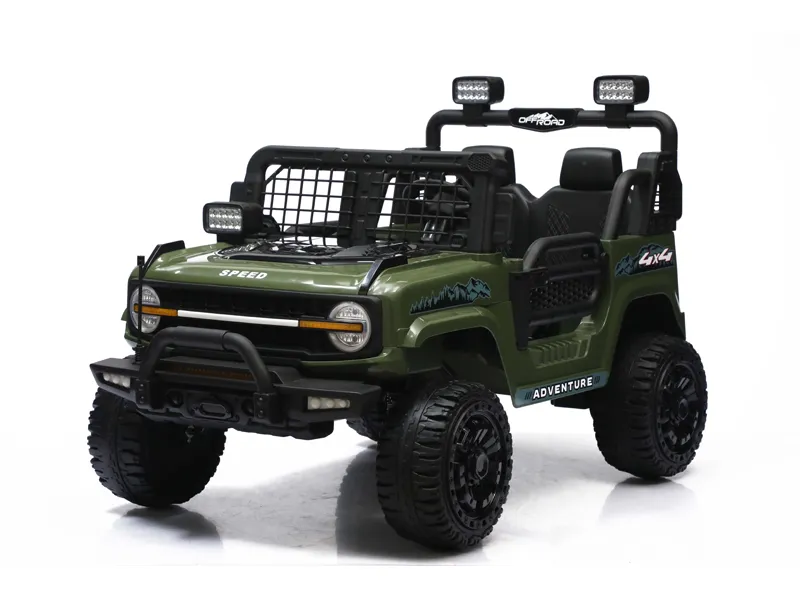
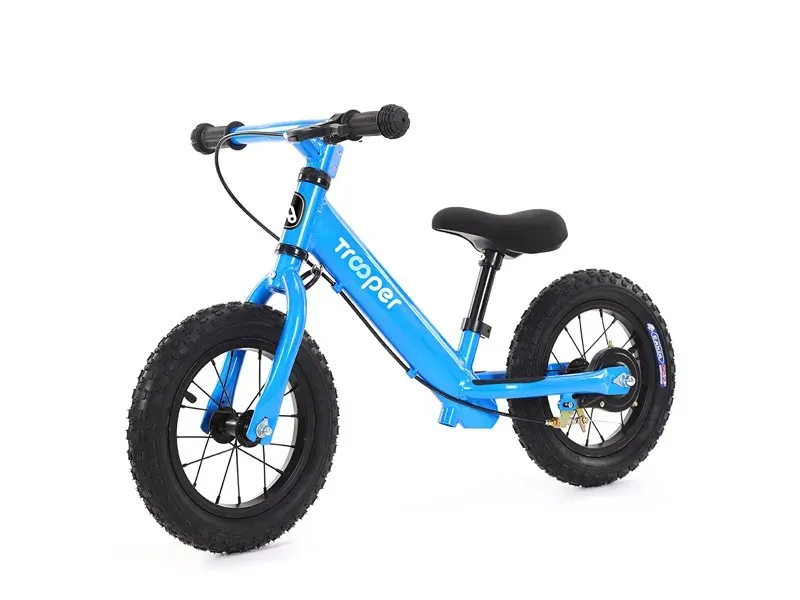
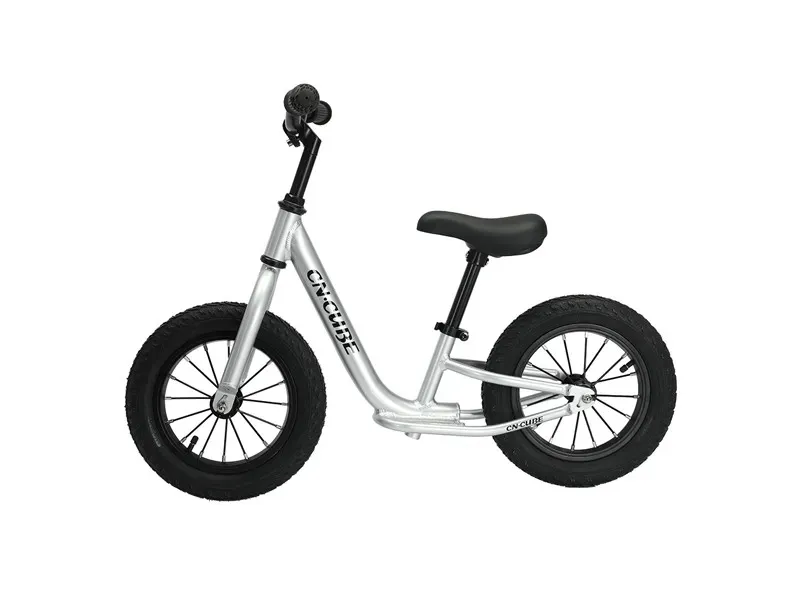
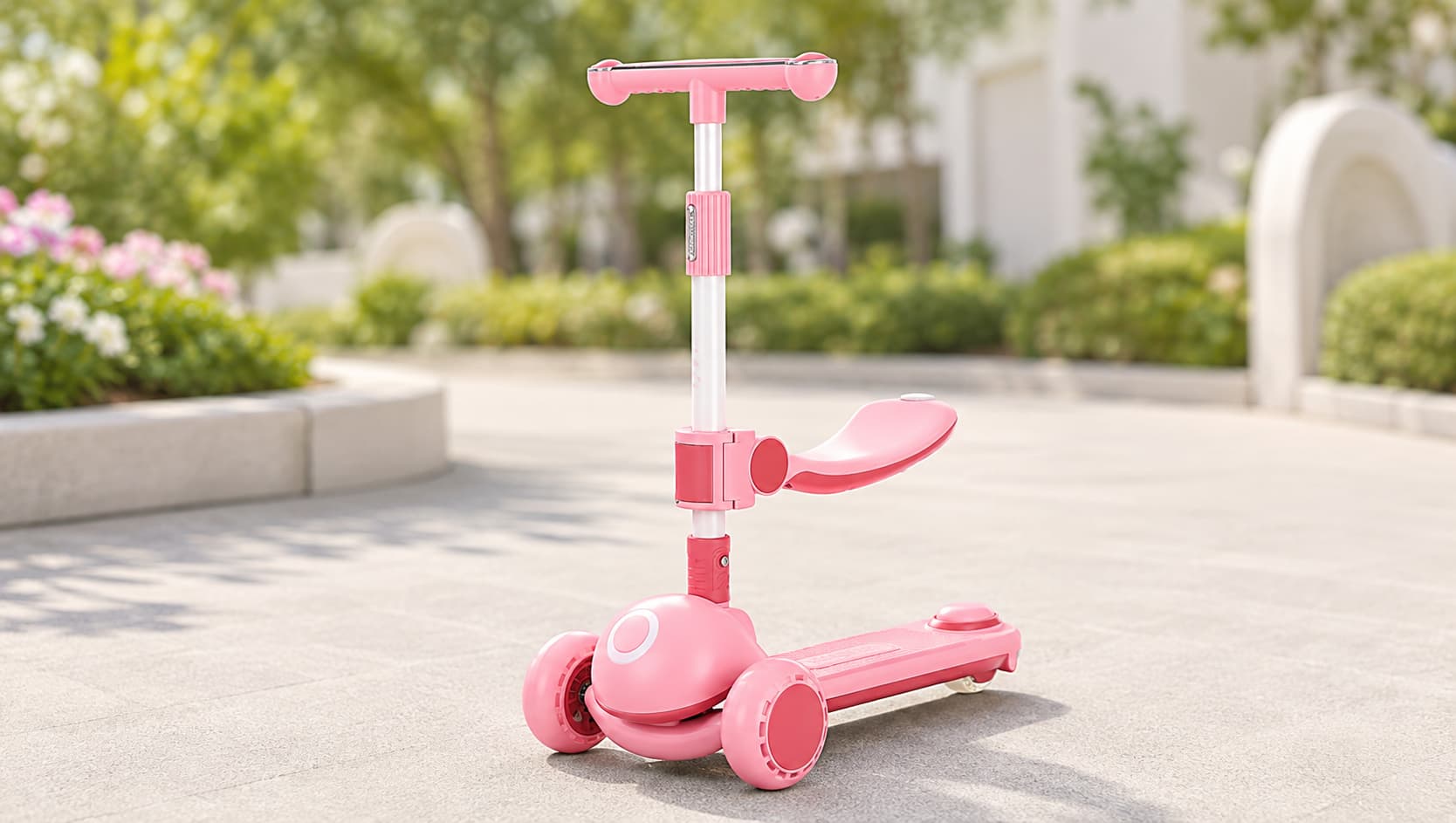
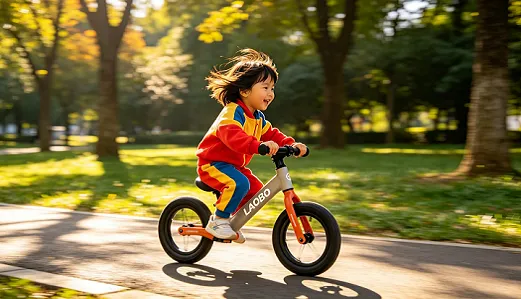
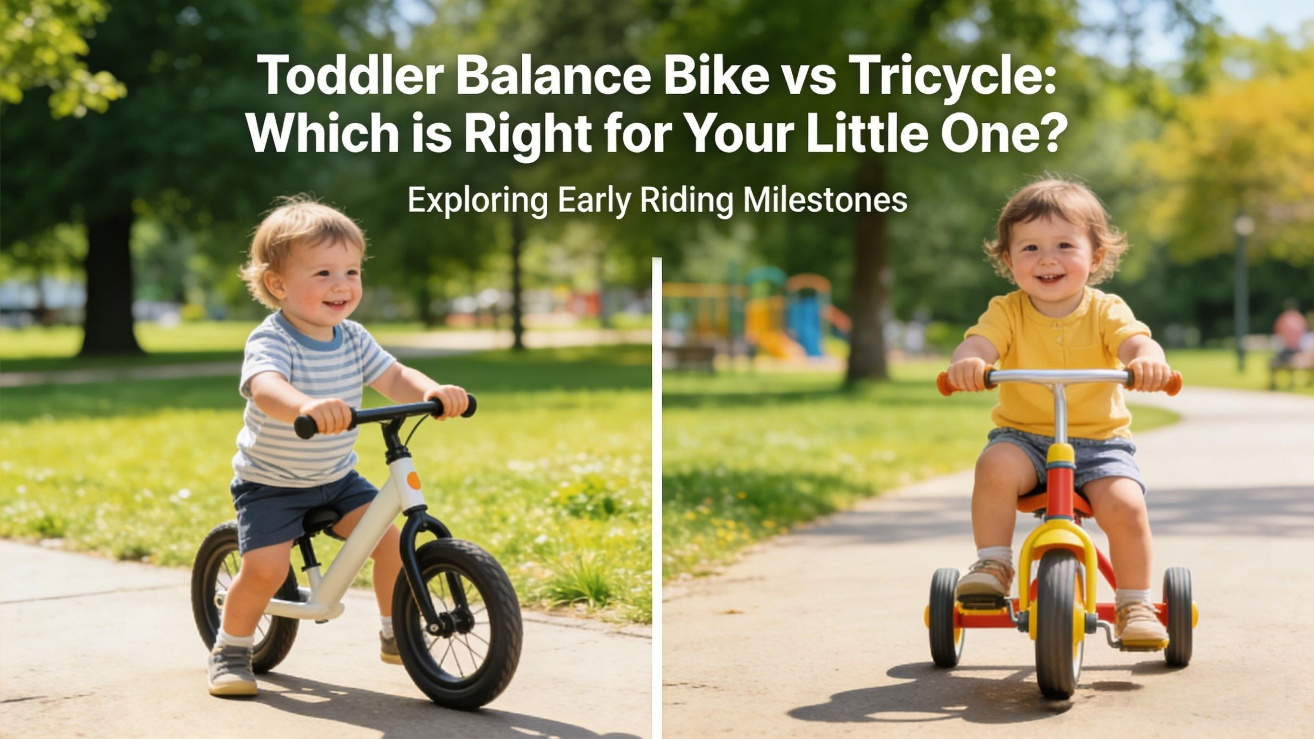
When parents, retailers, importers, or brand owners compare a balance bike vs tricycle, they are usually asking a very practical question: which product makes more sense as a toddler’s first ride-on? The answer depends on what the child needs to learn first, how the product will be used, and how the product is positioned in the market.
In simple terms, a tricycle is usually better for toddlers who need a more stable seated riding experience and want to practice pedaling. A balance bike is usually better for toddlers who are ready to develop balance, steering control, and confidence on two wheels. That is why these two products should not be treated as simple substitutes. They may target similar age groups, but they support different learning goals and different buying motivations.
For B2B buyers, this difference matters even more. If the two products are marketed in the same way, buyers may only compare price or appearance. But when the product logic is explained clearly, it becomes much easier to guide customers toward the right model and reduce mismatched expectations.
What Is the Real Difference Between a Balance Bike and a Tricycle?
The biggest difference is not simply the number of wheels. The real difference is what skill the child develops first.
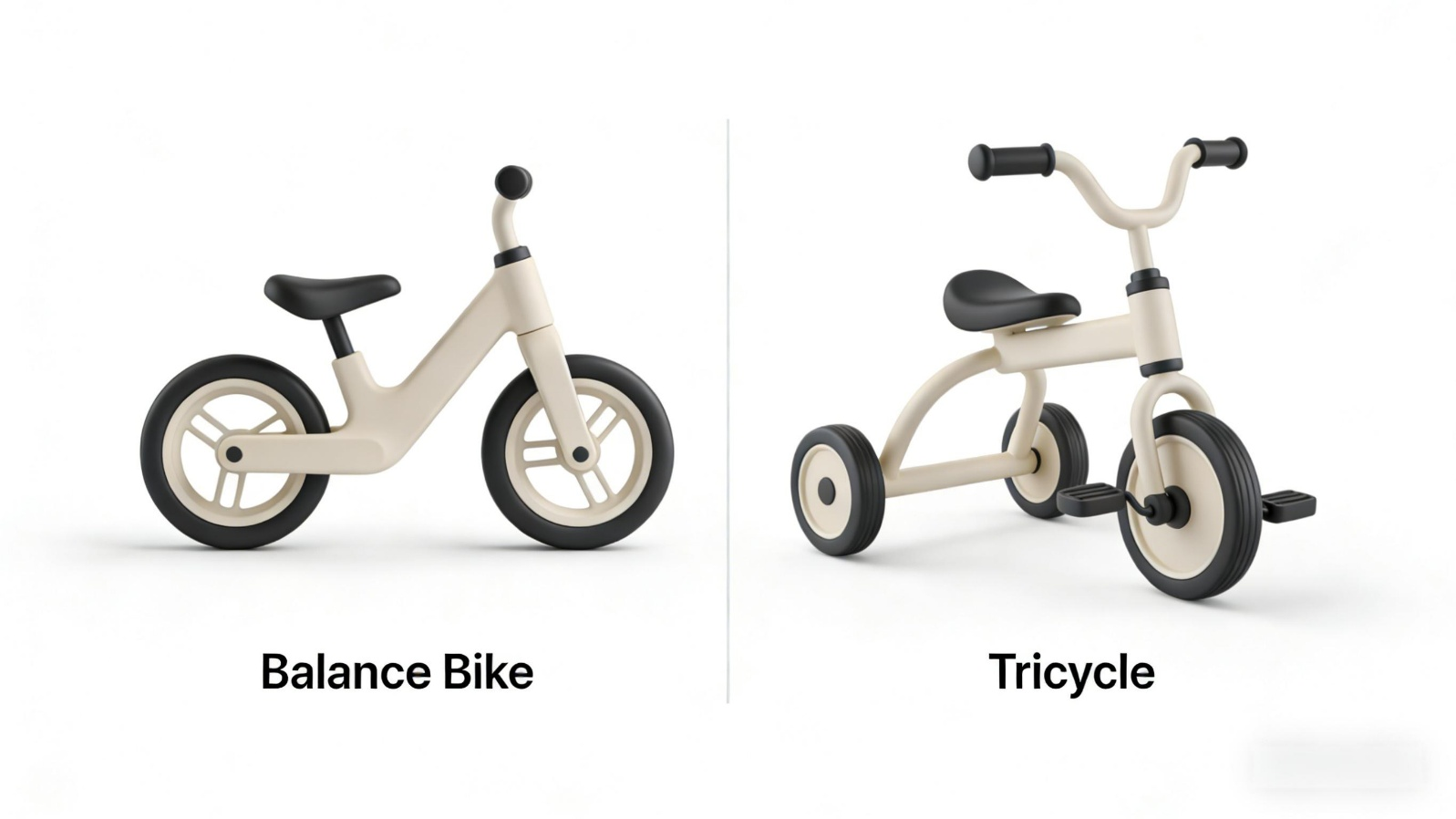
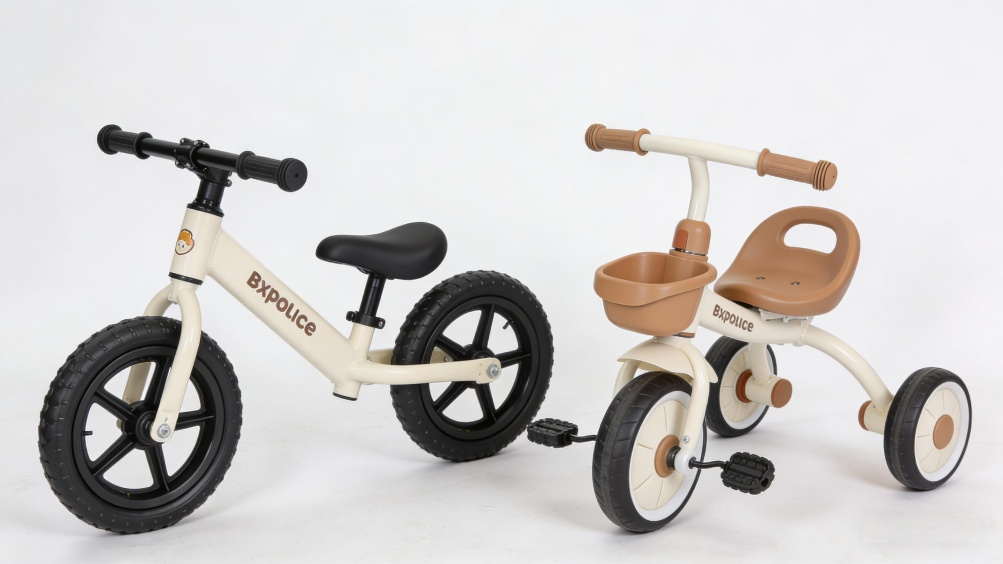
A stroller tricycle usually introduces a child to seated riding, pedaling, and simple directional movement in a more supported format. It feels familiar to many parents because it looks stable and easy to understand. A balance bike, by contrast, removes the pedals and lets the child focus on pushing with the feet, gliding, steering, and building balance over two wheels.
That means these two products are not solving exactly the same problem. A tricycle is often associated with stable early riding and pedal familiarity. A balance bike is more closely associated with early balance development and smoother preparation for later bicycle riding.
This difference is commercially important. If a product page only lists age and color options, customers may not understand why one product is better for one stage and the other is better for another stage. But if the product page explains the learning purpose clearly, the comparison becomes more meaningful and the product value becomes easier to see.
What Does a Tricycle Help a Toddler Learn?
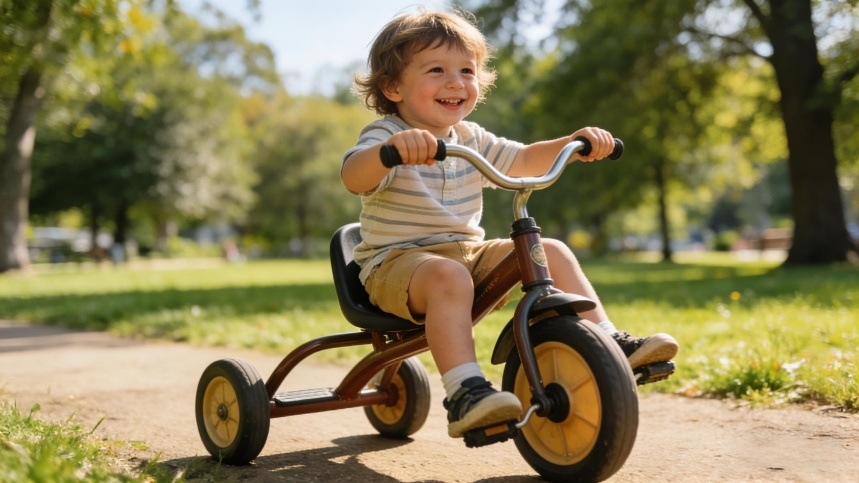
A tricycle usually works best for toddlers who are still getting used to the idea of riding. The three-wheel structure gives the child a more supported feeling, which can make the product easier to accept in the early stage. For many families, that stable visual impression is one of the biggest reasons to choose a tricycle first.
The main value of a tricycle is that it helps children become familiar with basic ride-on movement in a simpler and more supported way. It can help toddlers practice sitting and moving independently, understand basic directional control, and begin to develop pedal awareness.
This is why tricycles remain popular in many gift-oriented, toy-oriented, and entry-level toddler product lines. They are easy to explain, easy to display, and easy for parents to recognize at first glance. In markets where buyers prefer familiar product forms, tricycles still have strong commercial value.
However, that does not mean a tricycle is always the better long-term option. It can be a good early riding product, but it usually does not build two-wheel balance in the same way a balance bike does. That is where the difference between the two categories becomes more important.
What Does a Balance Bike Help a Toddler Learn?
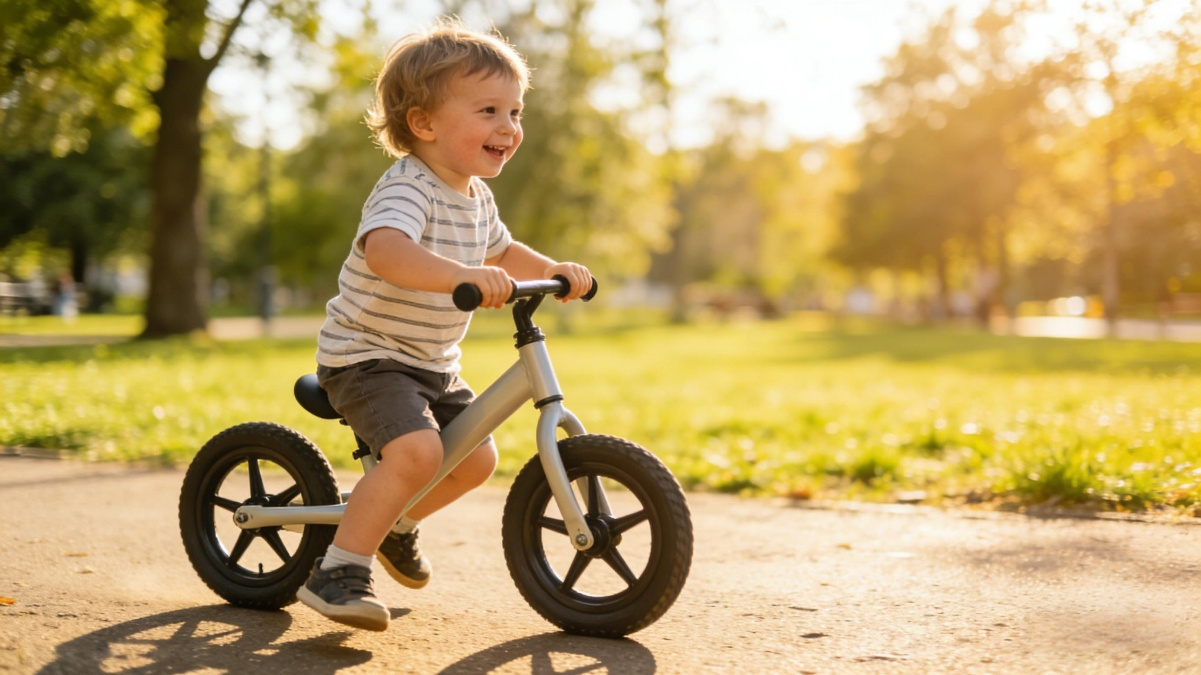
A balance bike is usually chosen by parents and buyers who care more about how a child learns to ride, not just whether the child can sit on a ride-on product and move forward. Because there are no pedals, the child uses both feet to push, stop, and control movement. This makes the riding experience more active and more closely connected to body coordination.
The main value of a magnesium balance bike is that it helps toddlers build balance awareness, improve steering control, and become more confident on a two-wheel format. Instead of focusing first on pedals, the product helps the child become comfortable with gliding, turning, and controlling direction.
For that reason, balance bikes are often positioned as a more skill-oriented first riding product. In many markets, they are not only sold as toys, but also as products that support early riding development. This gives brands, retailers, and importers a stronger educational message and a clearer product story.
From a B2B perspective, balance bikes also give sellers more room to differentiate. Product weight, frame geometry, seat height adjustment, beginner-friendly fit, and riding confidence are all points that can be used to build a stronger product page and a more convincing sales message.
Which One Is Better by Age and Stage?
Many people ask which product is better, but that is not always the most useful question. A better question is: which product is better at this stage?
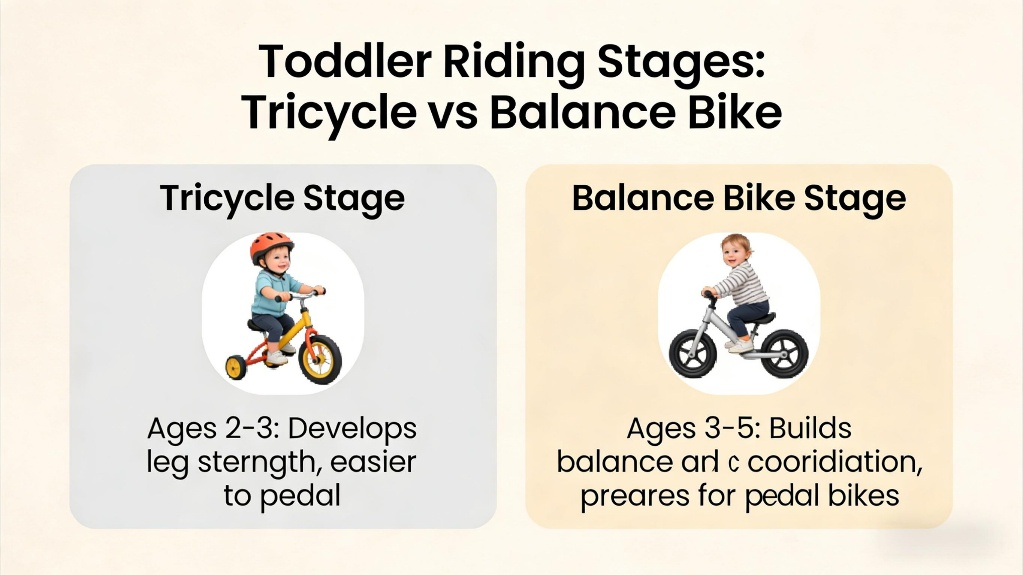
If the child is still very early in the riding journey, prefers a more supported sitting position, and is not yet confident controlling a two-wheel format, a tricycle may be the easier starting point. It feels simpler and more stable, which can reduce hesitation for both the child and the parent.
If the child already walks steadily, likes pushing forward, and is ready for more active movement and coordination, a balance bike may be the better choice. In that case, the product is not only providing entertainment. It is helping the child build a more transferable riding foundation.
This is why age labels should not be the only buying reference. Two products may both say they are suitable for toddlers, but the actual riding stage may be very different. A product line becomes much stronger when it explains not only age range, but also riding readiness and product purpose.
In practical terms:
Which Product Is Better for Importers, Retailers, and Brands?
For B2B buyers, the answer depends on sales channel, customer profile, and product strategy.
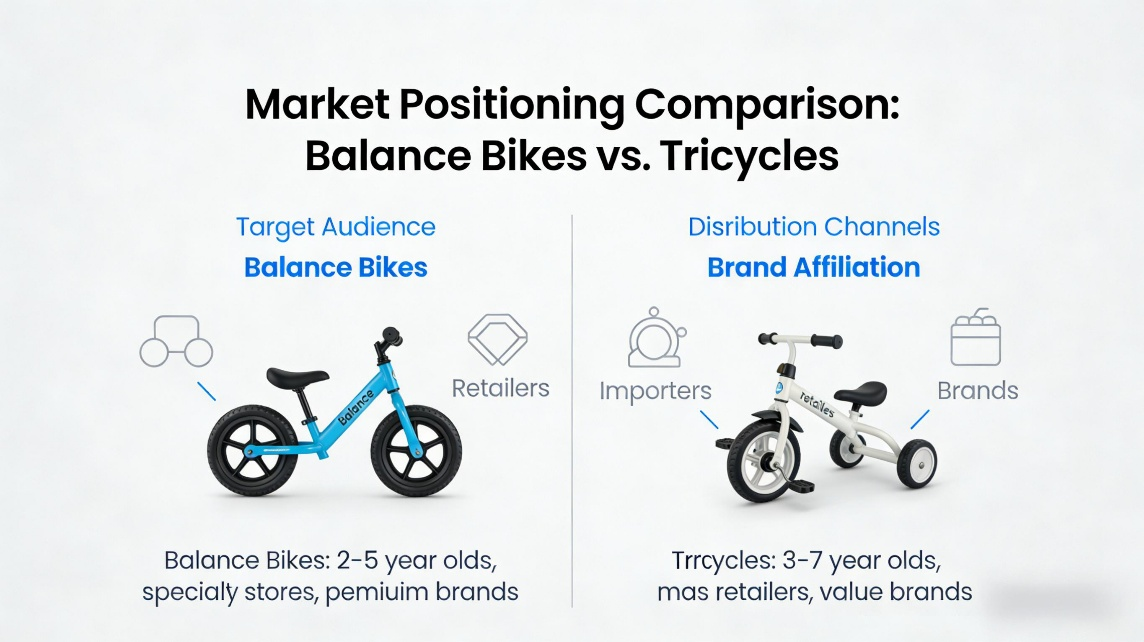
A tricycle is often easier to sell in broad toddler assortments because it is familiar, visually stable, and simple to understand. It fits well in gift channels, entry-level ride-on categories, and markets where traditional toddler products still dominate.
A balance bike, however, often creates a stronger product story for brands that want to emphasize developmental value, riding confidence, and better progression toward future bike use. It also gives more room for product differentiation. Instead of competing only on color and appearance, sellers can talk about frame weight, seat adjustment, geometry, usability, and beginner fit.
For importers and private-label brands, this means the two categories should not be positioned in exactly the same way. A stronger strategy is to let each product do its own job:
tricycles for stable, easy-to-understand early ride-on demand
balance bikes for more modern, skill-oriented early riding demand
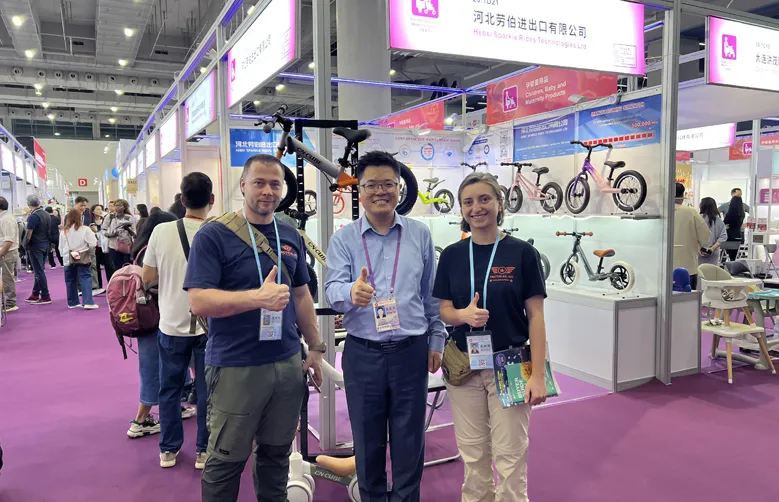
When that positioning is clear, product pages become easier to understand, easier to sell, and more useful for real buyers. And Sparkle Rides is a Professional manufacturer of kids' balance bikes, scooters & tricycles with 10+ years expertise. Specializing in OEM/ODM solutions, our high-quality products serve 15+ countries including USA, UK, EU & more.
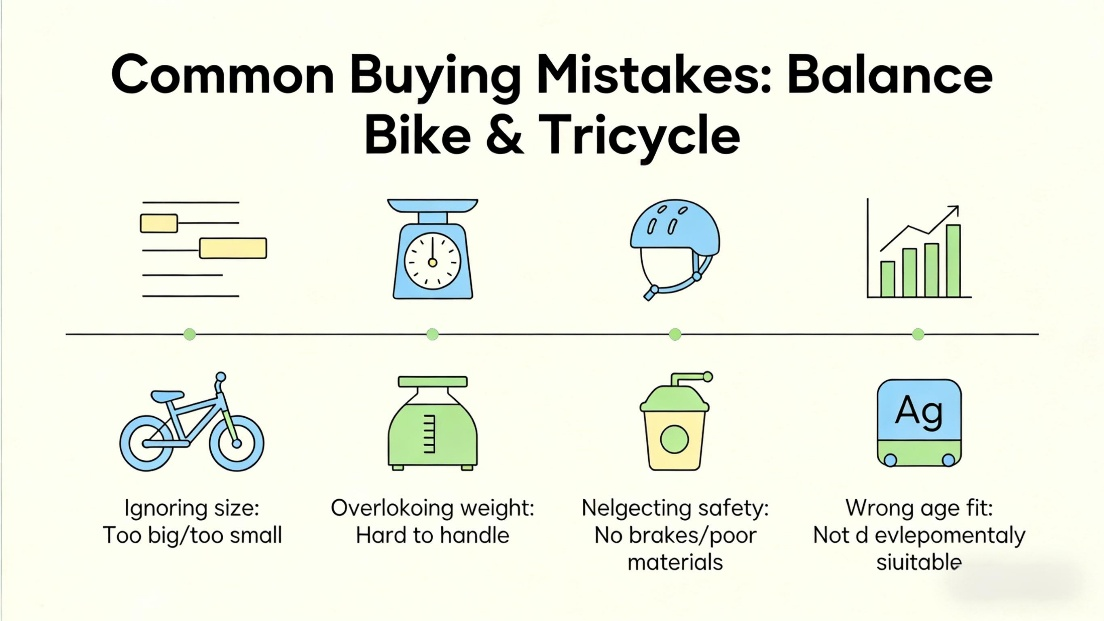
Common Buying Mistakes to Avoid
One common mistake is choosing only by age label. Age is helpful, but it does not explain whether the child is ready for a more active two-wheel format or still needs a more supported riding structure.
Another mistake is treating balance bikes and tricycles as interchangeable products. They may sit in similar catalog categories, but they answer different customer needs and should be explained differently.
A third mistake is focusing too much on appearance and not enough on product function. In this category, buyers often pay attention to color, shape, or whether the product “looks fun,” but the real long-term value usually depends on whether the product matches the child’s stage and whether the product page explains that clearly.
For B2B sellers, the biggest mistake is weak positioning. If product pages do not explain what each product helps the child learn, price comparison becomes the only easy decision point. That makes the whole category harder to differentiate.
Final Thoughts
The most accurate answer is that they are better for different goals. A tricycle is often the better choice for stable early seated riding and pedal familiarity. A balance bike is often the better choice for balance development, steering control, and a smoother transition toward later bicycle riding.
For parents, the right decision depends on the child’s stage, confidence, and riding purpose. For importers, retailers, and brands, the better decision is to position these two products honestly and clearly. When the product logic is explained well, the category becomes easier to understand and easier to sell.
If your market serves different toddler riding stages, it can make sense to offer both categories. But they should not be presented as identical alternatives. Each one has a different value story, and that value story should be visible in your website content, listings, and product communication.
Need help choosing the right balance bike or tricycle models for your market? Contact us for product recommendations, OEM options, and detailed specifications
 English
 Español
 русский