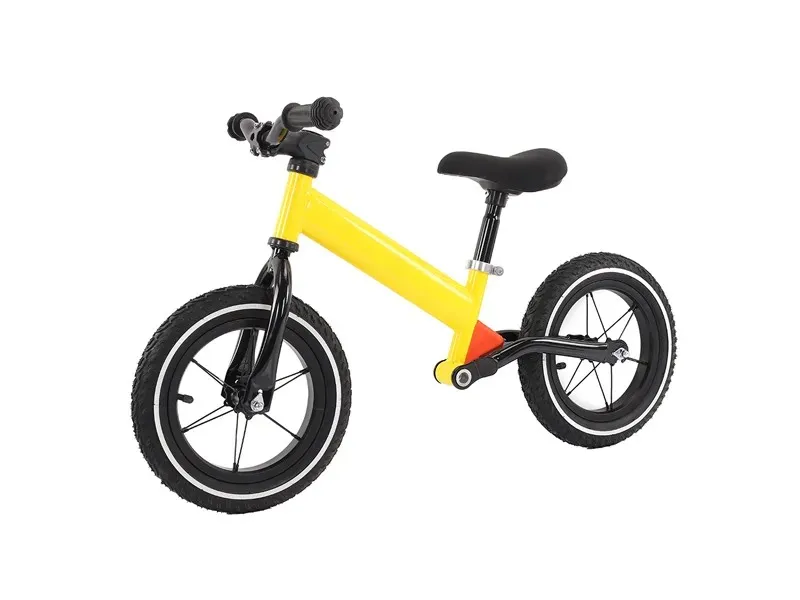
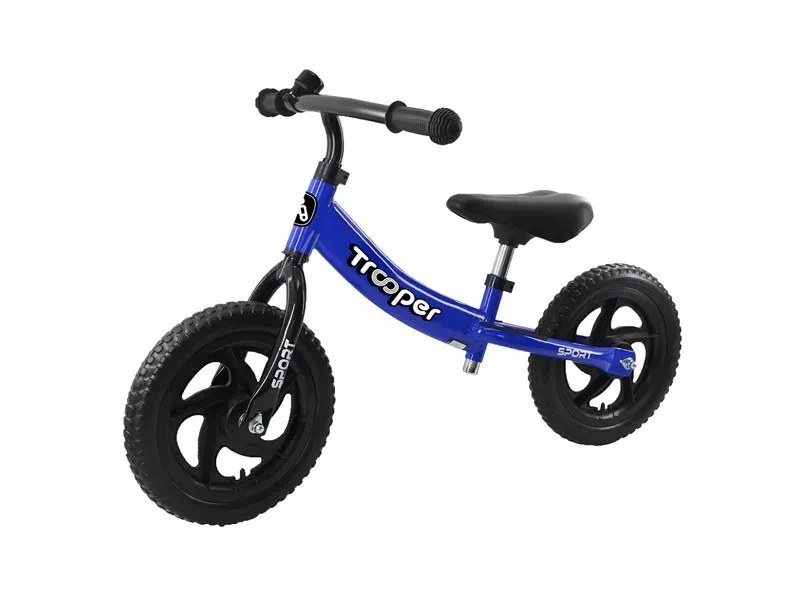
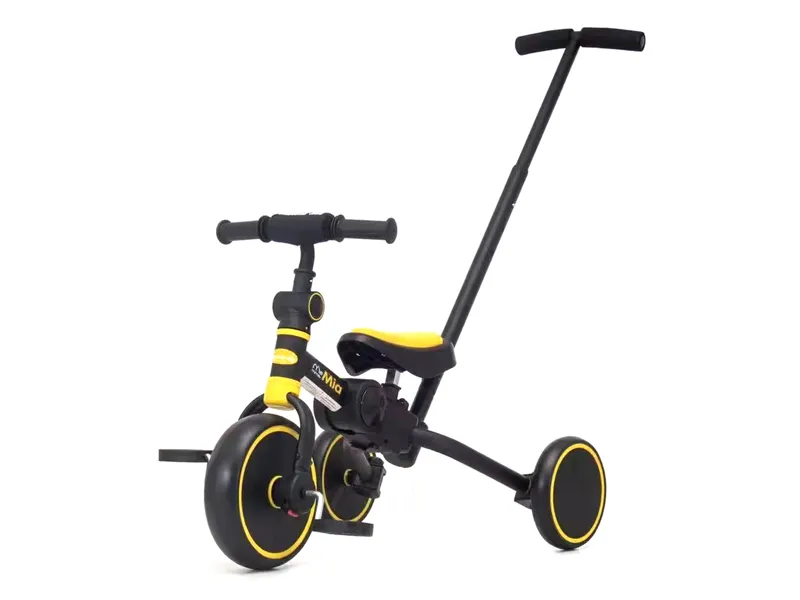
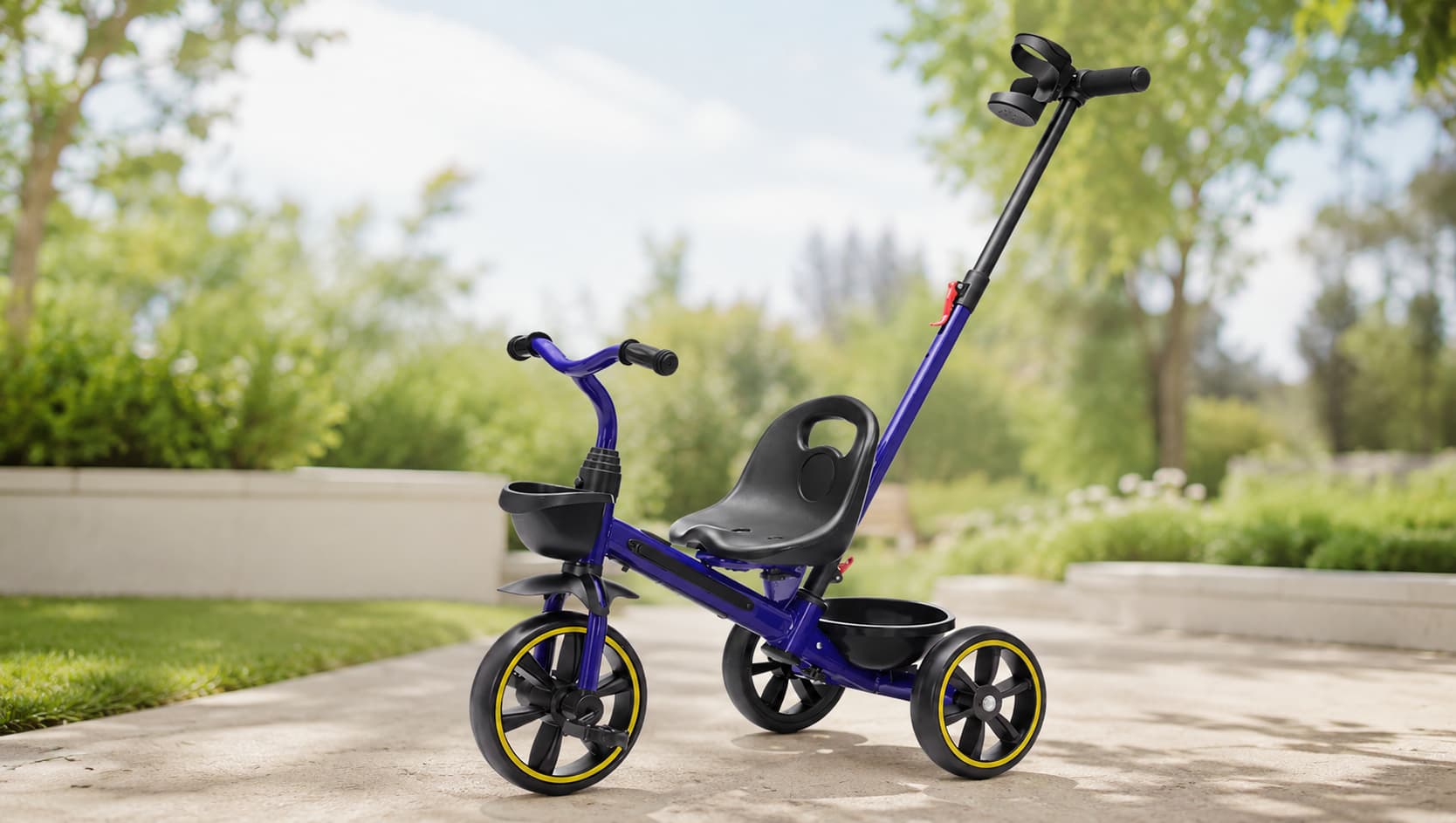
For importers, distributors, retailers, and brand owners, one of the most common questions behind balance bike sourcing is simple: what age should a child start using a balance bike? The answer affects product selection, market positioning, customer communication, and sell-through performance.
A balance bike is not just a smaller bicycle without pedals. It is an early riding product designed to help children build balance, coordination, steering control, and confidence before moving on to a pedal bike. However, the right starting point depends on more than age alone. Height, seat fit, frame weight, and rider stage all matter.
Most Children Start Using a Balance Bike Between 18 Months and 3 Years
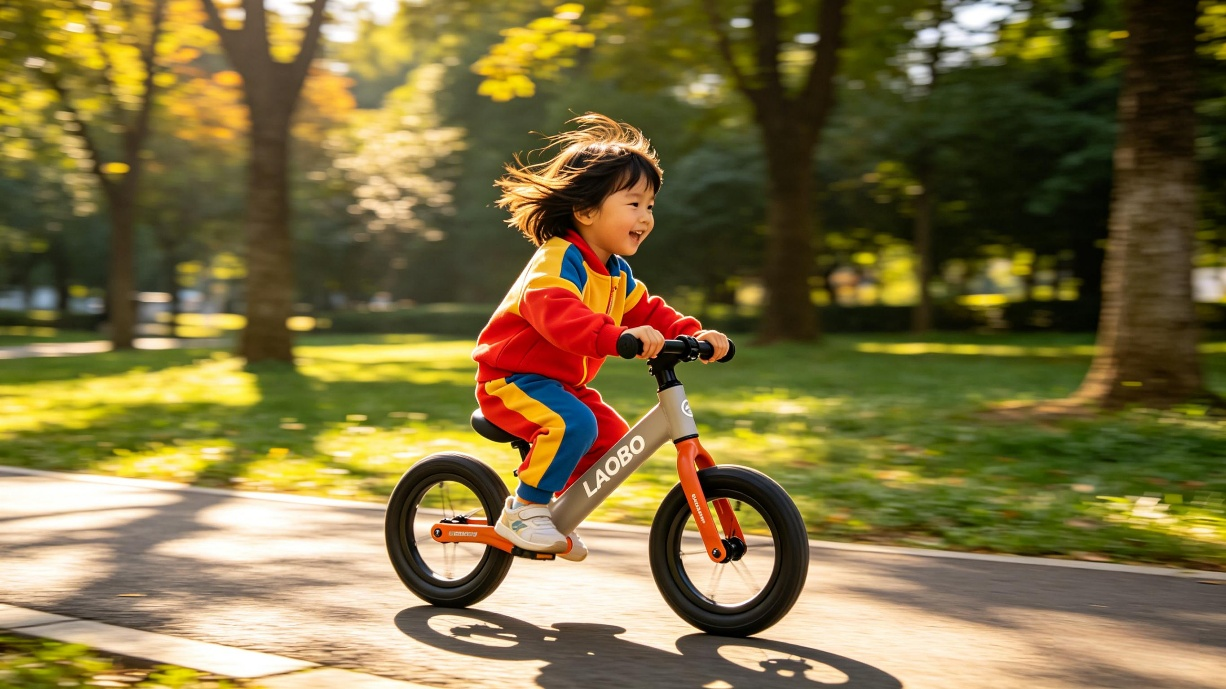
In most markets, the most practical starting age for a balance bike is between 18 months and 3 years old. Some children may start earlier with very small early-stage models, while others begin later depending on physical development and product fit.
For buyers, this means the question is not only “what age,” but also “what product size and structure fits that age group well?”
12 to 18 Months
Some children in this age range can begin with very low, lightweight ride-on style balance bikes. However, this is still an early stage, and many standard balance bikes are too large for them.
Products for this stage usually need:
a very low seat height
This segment can work well in certain markets, but only if the product is specifically developed for early-stage riders rather than standard preschool use.
18 Months to 2 Years
This is one of the most important starting stages for balance bikes. Many children in this group are physically ready to begin pushing, walking, and gliding with better control.
For this age range, buyers should pay close attention to:
This age group is commercially important because many parents see it as the stage when a child is ready for a first real riding product rather than just another toy.
2 to 3 Years
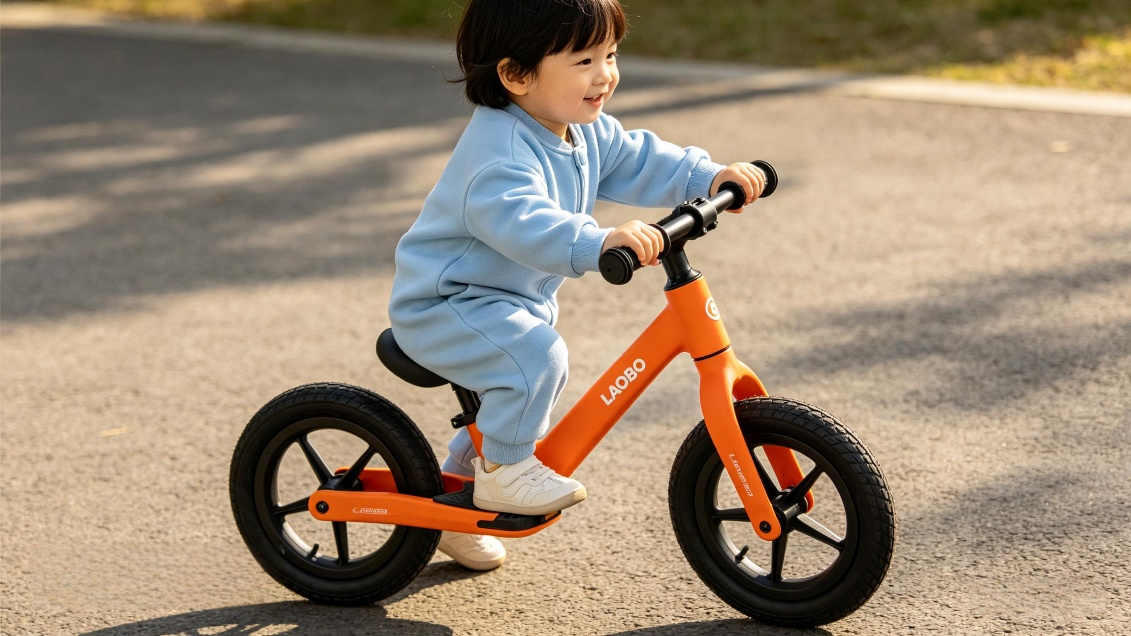
For many markets, this is the strongest starting age segment. Children in this range often have better walking stability, stronger leg coordination, and more confidence in outdoor riding activities.
A good balance bike for this stage usually combines:
lightweight but durable frame construction
suitable wheel size
comfortable seat adjustment range
appealing styling
good finish quality
enough durability for repeated daily use
For distributors and importers, this is often the age range where material, color, and product appearance start affecting buying decisions more clearly.
3 to 5 Years
Some children in this range are still first-time users, especially in markets where balance bikes are not introduced at younger ages. Others may be moving from a smaller beginner bike to a larger model.
Products for this group usually need:
This age range is also important because it connects directly to the transition from a balance bike to a pedal bike.
How Age Groups Affect Balance Bike Selection
Using age as the only product filter can be misleading. Two children of the same age may differ in height, leg length, coordination, and confidence. That is why better balance bike selection depends on combining age with physical fit.
Seat Height Matters More Than Broad Age Claims
If the seat is too high, the child may struggle to place both feet flat on the ground. That reduces control and confidence. If the seat is too low or has very limited adjustment, the usable product life becomes too short.
This is why seat height is one of the most practical product details buyers should compare when evaluating different models.
Frame Weight Affects Beginner Control
A heavier bike is harder for younger children to push, control, or recover when the bike tips slightly. A lighter frame often makes early riding more comfortable, especially for lower-age groups.
For this reason, lightweight models are often more attractive in younger segments, while slightly stronger or larger models may fit older beginners better.Such like magnesium alloy balance bikes.
Product Geometry Still Matters
Low step-in design, sensible frame proportions, comfortable grips, and stable steering response all influence beginner usability. Even when two products target the same age range, the actual riding experience can be very different.
That is why professional buyers usually compare product fit, geometry, and handling—not just age labels printed on packaging.
What Buyers Should Check When Sourcing Balance Bikes by Age Group
For B2B buyers, age positioning should affect much more than packaging claims. It should shape assortment planning, feature selection, and product communication.
For lower-age segments, it is usually better to prioritize:
lower seat height
reduced frame weight
simple geometry
easy assembly
stable beginner use
For older beginner or preschool segments, buyers often care more about:
If one model is expected to serve very different channels or markets, buyers should be careful. A product that works for a specialty children’s retailer may not be the best fit for a value-driven e-commerce listing, and a basic entry model may not work in premium markets.
Need help choosing the right balance bike range for your market? Contact us to compare models by age group, frame material, and product positioning.
When Should a Child Move from a Balance Bike to a Pedal Bike?
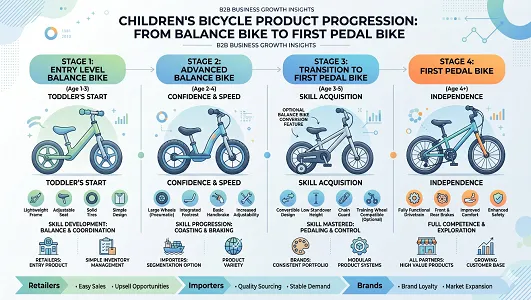
Children usually move from a balance bike to a pedal bike after they develop stable gliding balance, confident steering, and consistent control. In many cases, that transition happens between ages 3 and 5, but the right timing depends on the child and the product category available in the market.
For buyers, this matters because balance bikes should not be treated as isolated products. They are part of a riding development path. A stronger product range helps customers understand not only what to buy now, but also what comes next.
Final Thoughts
For most children, the most practical starting range is 18 months to 3 years old, but the right answer depends on seat height, product weight, rider confidence, and overall fit. For buyers, the better question is not only “what age,” but also “what size, what frame, and what rider stage?”
If your business serves distributors, baby stores, toy importers, or online sellers, choosing balance bikes by real rider stage can make your product line easier to explain, easier to sell, and more likely to deliver better customer satisfaction.
Looking for balance bikes for different rider stages? Contact us for catalog support, model recommendations, and sourcing advice.

 English
 Español
 русский